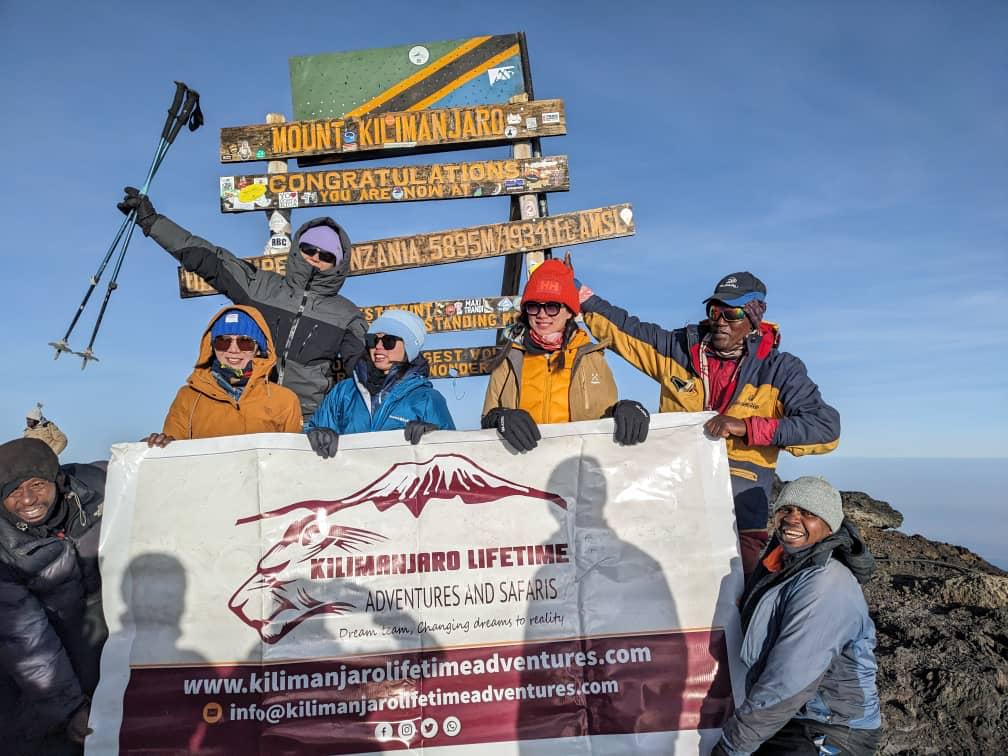
Climb Mount Kilimanjaro from Kenya: Your Complete Guide
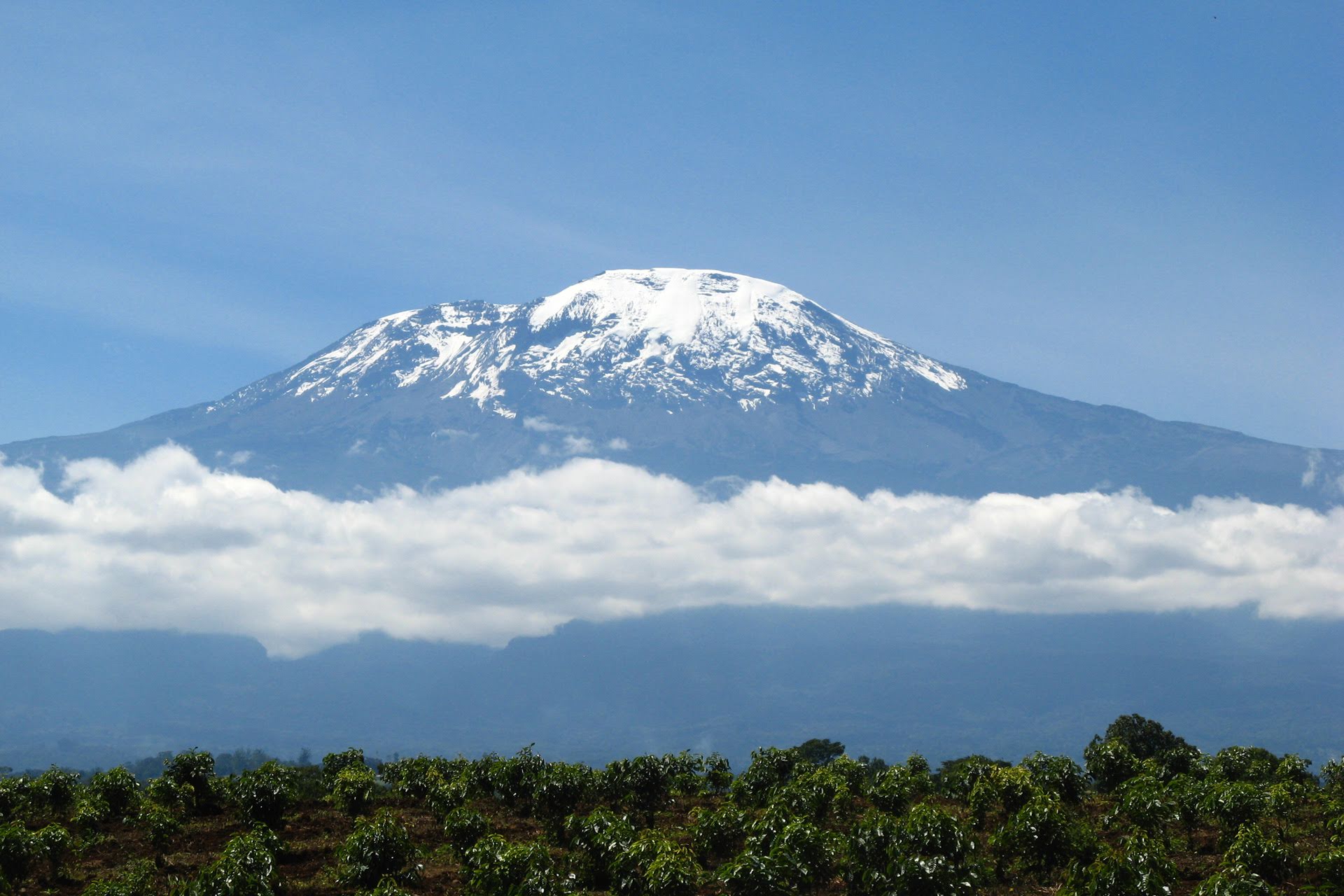
Mount Kilimanjaro, Africa’s highest peak at 5,895 meters, is one of the world’s most iconic mountains. Located in Tanzania, it’s just a few hours from the Kenyan border, making it possible for travelers from Kenya to enjoy this once-in-a-lifetime adventure. This guide explains everything you need to know about climbing Kilimanjaro from Kenya, from planning to arrival, trekking, and post-climb tips.
Why Climb Kilimanjaro from Kenya?
Many adventurers choose to start their Kilimanjaro journey from Kenya because of its convenient location and easy access to flights and roads. Kenya is just north of Tanzania, and popular cities like Nairobi offer multiple flights to Moshi or Kilimanjaro International Airport (JRO). If you live in Kenya or are on a safari in the country, starting your Kilimanjaro climb here saves travel time and adds flexibility to your trip. You can combine your climb with a Kenyan safari for a full East African adventure.
How to Reach Kilimanjaro from Kenya
By Air:
- Fly from Nairobi to Kilimanjaro International Airport (JRO) – around 1 hour 15 minutes.
- From JRO, it’s just 30–40 minutes by car to Moshi, the main town for climbers.
Flying is the quickest and easiest way for Kenyan climbers. Most tours include airport pickup and transfers directly to your hotel or base camp in Moshi. This method ensures you arrive relaxed and ready to acclimatize.
By Road:
- Drive from Nairobi to Moshi, approximately 6–8 hours via Namanga border crossing.
- You’ll need a Tanzanian visa at the border, and road conditions vary, so a 4×4 vehicle is recommended
Driving allows you to enjoy the scenic landscapes of southern Kenya and northern Tanzania. It’s ideal for groups or families traveling together, and many tour companies offer guided road transfers with stops along the way.
Climb Requirements from Kenya
Even though you start in Kenya, Kilimanjaro is fully in Tanzania, so you must follow Tanzanian regulations:
- Obtain a Tanzanian visa (available online or at the border).
- Book your climb with a licensed Tanzanian operator like Kilimanjaro Lifetime Adventures.
- Pay park fees and trekking permits directly in Tanzania.
All climbers must be healthy enough for high-altitude trekking. It’s recommended to have travel insurance covering trekking up to 6,000 meters.
Choosing the Right Route
Kilimanjaro has several trekking routes suitable for all experience levels. From Kenya climbers, the most popular routes include:
- Machame Route (7 days) – Known as the “Whiskey Route,” scenic with higher success rates.
- Marangu Route (5–6 days) – The classic “Coca-Cola Route,” easier with hut accommodations.
- Lemosho Route (8 days) – Less crowded, stunning landscapes, ideal for first-time climbers.
Each route has its own advantages in terms of scenery, difficulty, and accommodation. Your Tanzanian guide can recommend the best route based on your fitness and schedule. Longer routes increase your chances of reaching the summit successfully.
What to Expect During the Climb
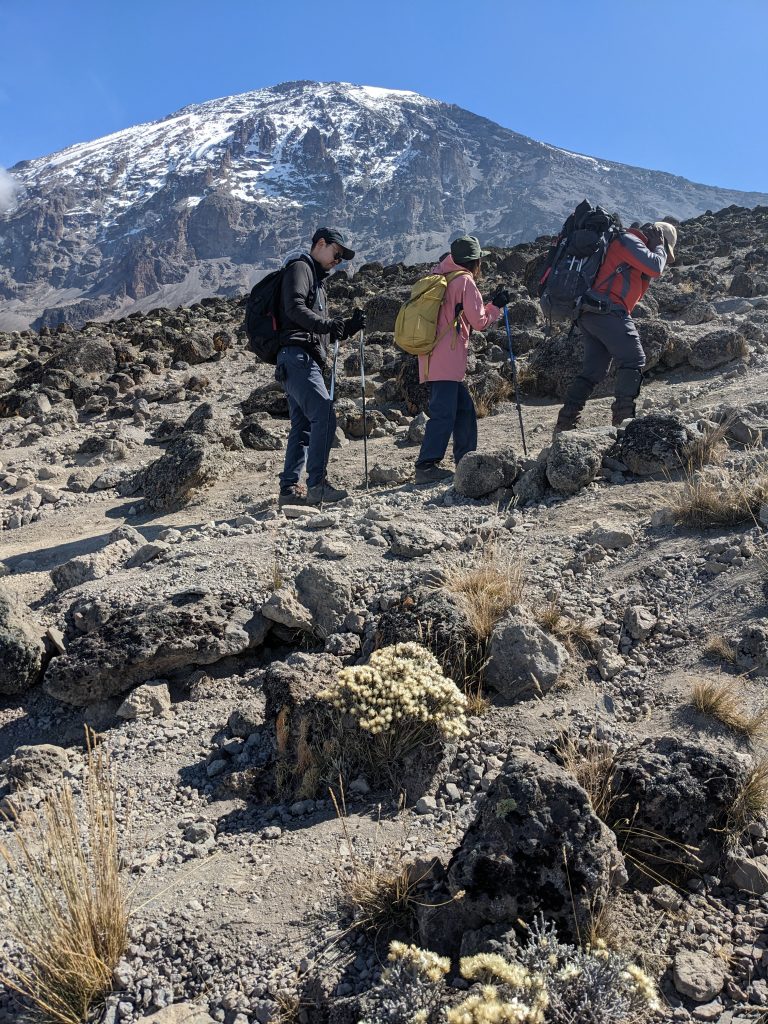
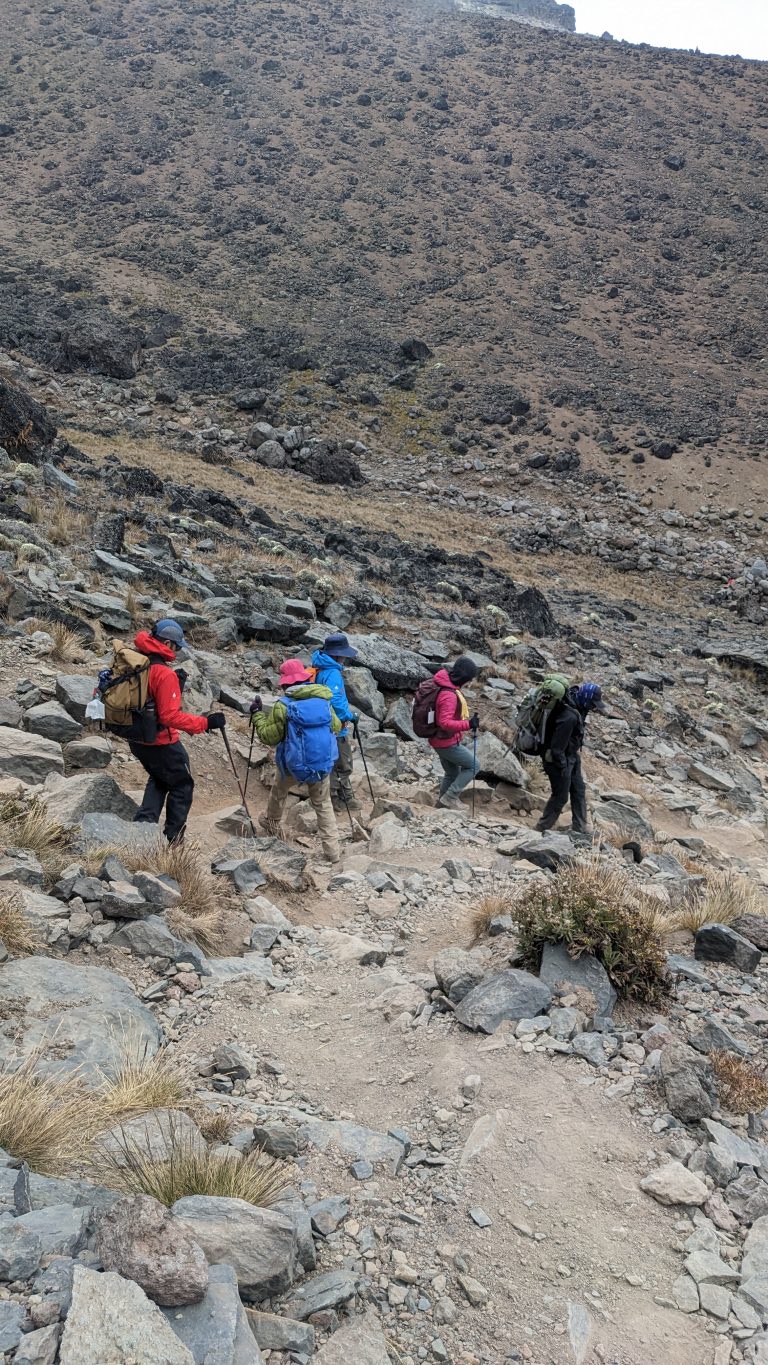
Climbing Kilimanjaro is an adventure of a lifetime. Expect varying climates as you ascend from tropical forests to alpine deserts, and finally to the snow-capped summit.
- Daytime temperatures: 10°C–25°C at lower elevations
- Nighttime temperatures: Below freezing near the summit
- Wildlife & nature: Monkeys, birds, unique plants, and breathtaking landscapes
Most climbers experience mild altitude sickness, so pace yourself and follow your guide’s instructions. Proper hydration, nutrition, and rest are key to success.
Combining Your Climb with a Safari
For travelers from Kenya, combining a Kilimanjaro climb with a Tanzania safari is popular. You can explore the Serengeti, Ngorongoro Crater, and Tarangire National Park after your climb. This combination makes your trip a complete East African adventure, offering mountains, wildlife, and culture all in one journey.
Tips for Climbers from Kenya
- Book your climb at least 2–3 months in advance.
- Travel with a licensed operator like Kilimanjaro Lifetime Adventures for safety and smooth logistics.
- Pack layered clothing for changing climates.
- Stay hydrated and pace yourself to prevent altitude sickness.
- Consider extra days in Moshi to acclimatize before the climb.
 Kilimanjaro Climbing Mistakes First-Timers Must Avoid
Previous
Kilimanjaro Climbing Mistakes First-Timers Must Avoid
Previous
 How dangerous is mount kilimanjaro?
Next
How dangerous is mount kilimanjaro?
Next