Mount Kilimanjaro Height
Mount Kilimanjaro Height
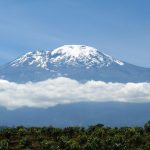
Mount Kilimanjaro is the tallest mountain in Africa, rising to an impressive 5,895 meters (19,341 feet) above sea level. This extraordinary height makes it the highest free-standing mountain in the world meaning it is not part of any mountain range.
Located in northeastern Tanzania near the border with Kenya, Kilimanjaro dominates the East African landscape and stands as one of the continent’s most iconic natural landmarks.
The Height of Kilimanjaro: Why It Is Unique
Unlike mountains such as Mount Everest or Mount Elbrus, which are part of large mountain ranges, Kilimanjaro rises independently from the surrounding plains. This dramatic vertical rise from farmland to glacier-covered summit creates one of the most breathtaking mountain profiles in the world.
Its isolated structure allows climbers to experience a remarkable ecological transition — from tropical rainforest to Arctic summit — in just a few days.
The Three Volcanic Cones of Kilimanjaro
Mount Kilimanjaro is a dormant volcanic mountain composed of three main cones:
1. Kibo – The Highest Cone
Kibo is the tallest and central cone, reaching 5,895 meters (19,341 feet). The summit of Kibo is known as Uhuru Peak, the highest point in Africa.
Kibo is considered dormant, meaning it could potentially erupt again, although no eruptions have been recorded in recent history. The summit area features the impressive Kibo Crater, surrounded by glaciers and snowfields.
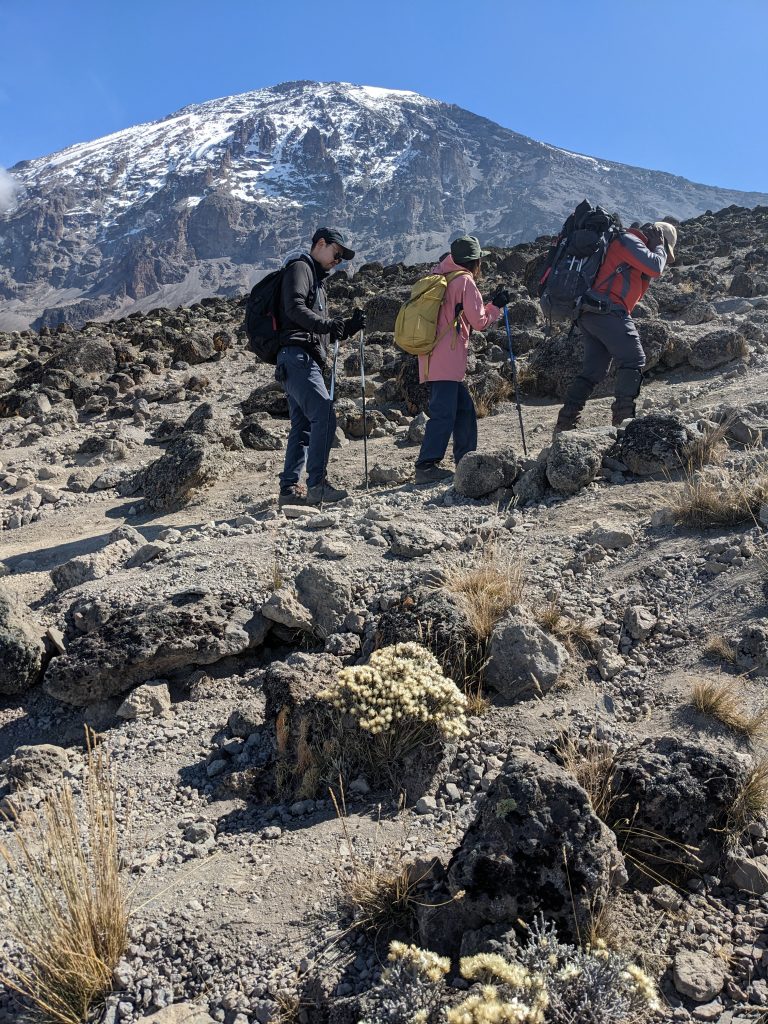
The final ascent to Uhuru Peak often called the “summit push” — is steep, cold, and physically demanding.
2. Mawenzi – The Dramatic Peak
Mawenzi stands at 5,149 meters (16,893 feet) and is the second-highest cone.
Unlike Kibo, Mawenzi is extinct. Its jagged ridges and sharp rock formations create one of Kilimanjaro’s most striking silhouettes. Due to its steep cliffs and unstable terrain, summiting Mawenzi requires advanced technical climbing skills and is rarely attempted.
3. Shira – The Ancient Cone
Shira is the oldest and lowest cone, reaching 4,005 meters (13,140 feet). Over time, it collapsed and formed what is now the Shira Plateau.
The plateau serves as an important acclimatization area for climbers and features open landscapes, volcanic rock formations, and unique alpine vegetation.
Climate Zones and Biodiversity
Because Kilimanjaro lies near the equator, it contains five distinct climate zones:
- Cultivation Zone – Fertile farmland at the base
- Rainforest Zone – Dense tropical forest with wildlife
- Moorland Zone – Open highland vegetation
- Alpine Desert – Dry, rocky, and windswept terrain
- Arctic Summit Zone – Ice, snow, and glaciers
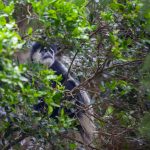
This dramatic transition supports diverse plant and animal life. Climbers may encounter monkeys in the rainforest, unique giant lobelias in the moorland, and glaciers near the summit.
Elevation Gain and Acclimatization
Most Kilimanjaro routes begin at approximately 1,800 meters (5,900 feet). Reaching the summit means climbing nearly 4,000 meters (13,000 feet) in elevation.
As altitude increases, oxygen levels decrease. Above 5,000 meters, oxygen levels are nearly half of those at sea level. Proper acclimatization is essential to avoid altitude sickness.
Climbers often follow the “climb high, sleep low” strategy to allow the body to adapt gradually.
Trekking Routes on Kilimanjaro
Several routes allow climbers to experience the mountain differently:
Known as the “Coca-Cola Route,” it offers hut accommodation and takes 5–6 days. It is direct but provides less time for acclimatization.
Called the “Whiskey Route,” this scenic path takes 6–7 days and offers better acclimatization and varied landscapes.
One of the most scenic and recommended routes, lasting 7–8 days. It offers excellent acclimatization and high summit success rates.
Approaching from the north, this quieter and drier route is ideal during the rainy season.
Northern Circuit
The longest route (around 9 days) with the best acclimatization profile and fewer crowds.
Umbwe Route
The steepest and most challenging route, suitable only for experienced climbers.
Why Kilimanjaro’s Height Matters
The height of Kilimanjaro is not just a number it defines the entire climbing experience. The rapid elevation change creates diverse ecosystems, dramatic scenery, and physical challenges.
Reaching 5,895 meters requires:
- Proper acclimatization
- Physical endurance
- Mental determination
- Professional guidance
Despite its height, Kilimanjaro does not require technical climbing skills, making it accessible to well-prepared trekkers.