Animals on Mount Kilimanjaro
Animals You May Encounter on Mount Kilimanjaro
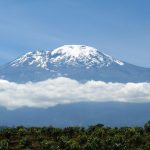
Climbing Mount Kilimanjaro is not only about reaching Africa’s highest summit. It is also an opportunity to explore a rich and diverse ecosystem. While most people associate Kilimanjaro with glaciers and high-altitude trekking, the lower slopes of the mountain are full of wildlife.
Because Kilimanjaro rises from tropical farmland to an Arctic summit, animals are mostly found in the rainforest and lower moorland zones. As altitude increases, wildlife becomes less common due to colder temperatures and thinner air.
Below are six animals you may encounter during your climb.
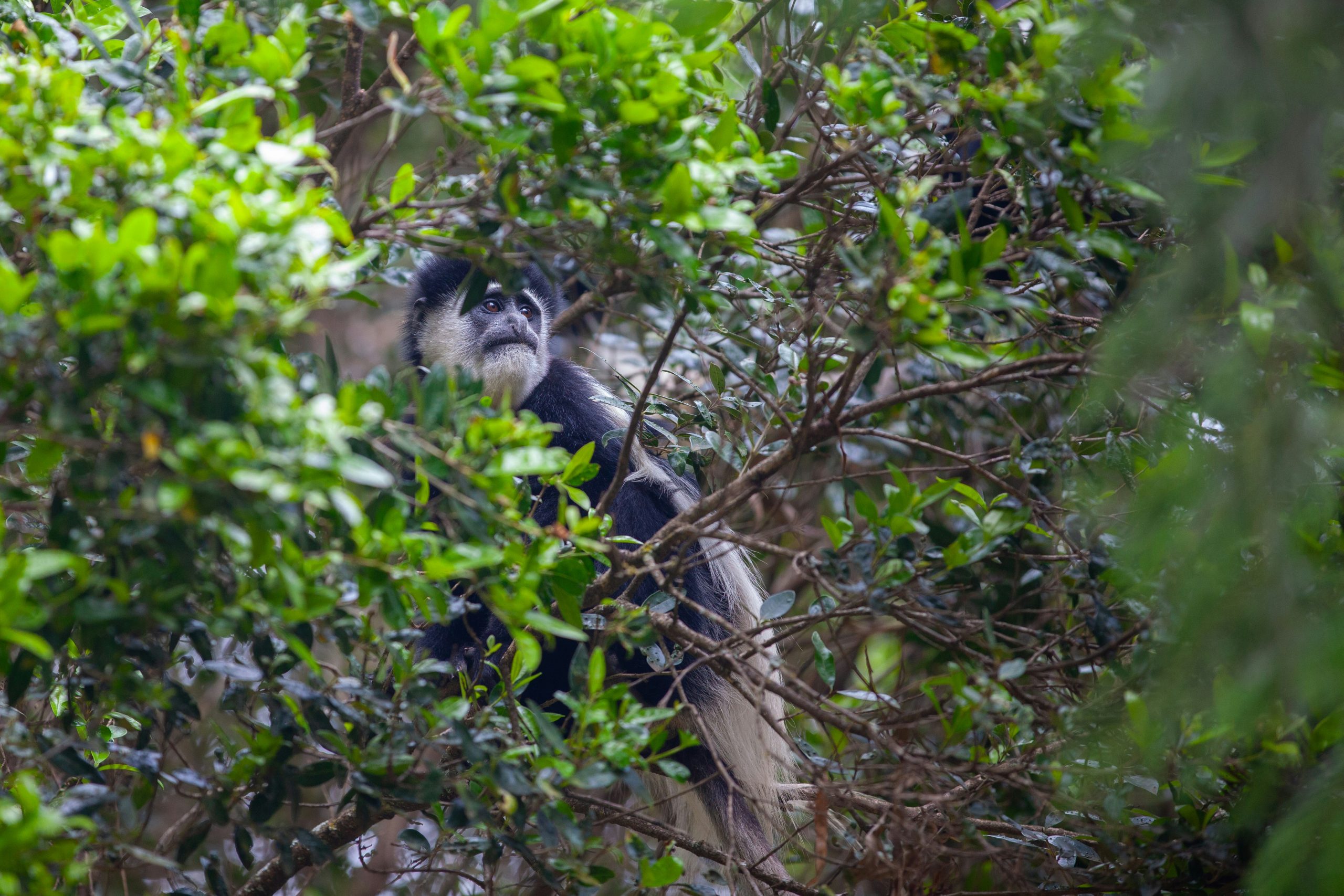
1.Black-and-White Colobus Monkey
One of the most iconic animals on Kilimanjaro is the black-and-white colobus monkey. Thes
e monkeys are easy to recognize because of their long, flowing white tails and thick fur.
They live high in the rainforest canopy and move gracefully from tree to tree. Early morning is the best time to spot them near the trailheads.
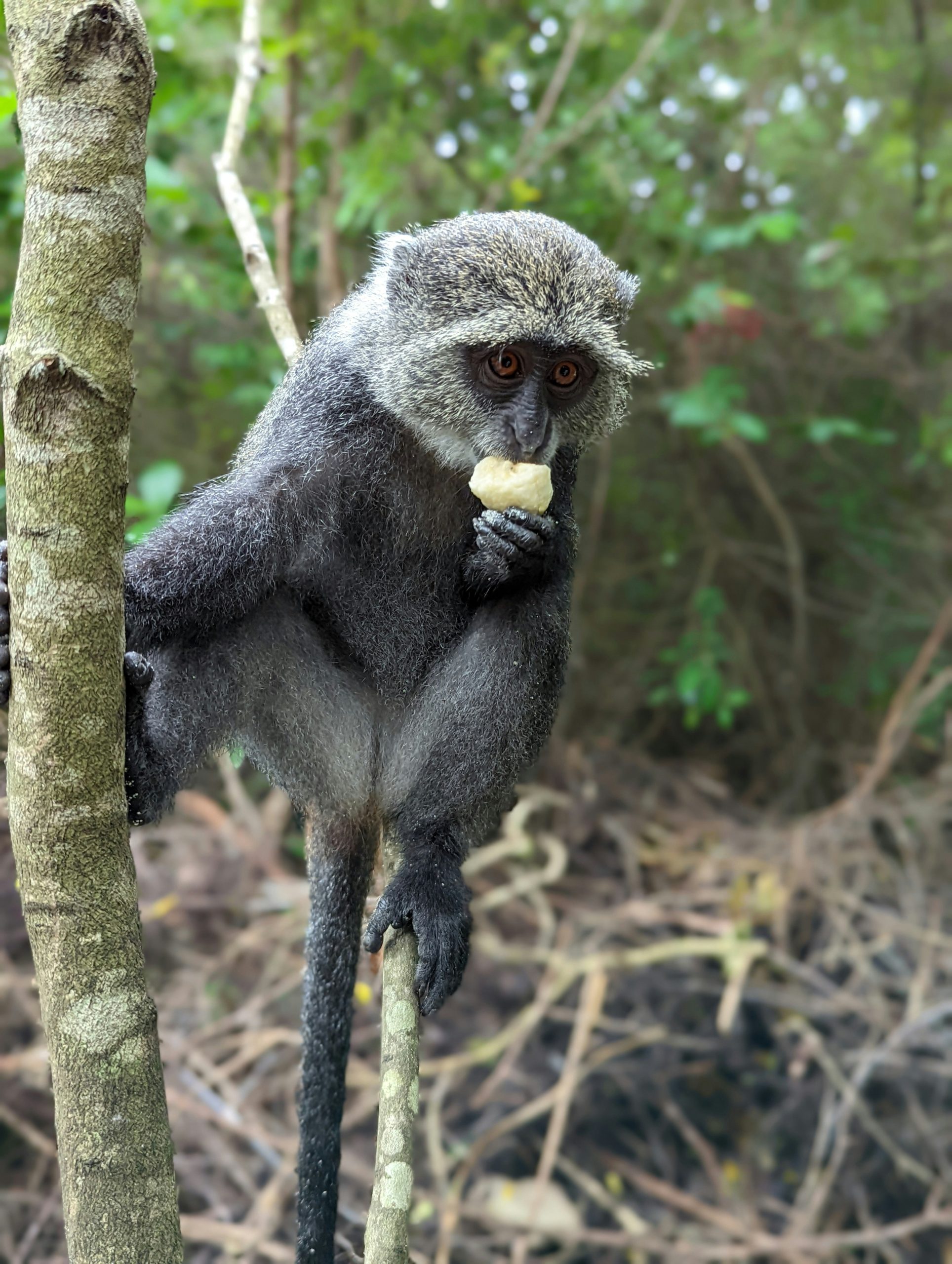
2. Blue Monkey
Despite their name, blue monkeys are not blue. They have grayish fur with subtle shades
of olive and sometimes lighter patches on the face.
They are active, social animals and are commonly seen along forest trails, especially on routes like Machame and Lemosho. Their playful behavior adds excitement to the first days of the trek.
3. Duiker (Forest Antelope)
Duikers are small, shy antelope that live in wooded areas. They are quick and often disappear into thick bushes before you can take a photo.
If you move quietly through the forest zone, you might catch a glimpse of one crossing the trail.
4. White-Necked Raven
Unlike most wildlife on Kilimanjaro, the white-necked raven can survive at high elevations. These large black birds are often seen near higher camps and sometimes even close to the summit.
They are intelligent and known for stealing unattended snacks, so always secure your food properly.
5. Four-Striped Mouse
This larger-than-average mouse has distinctive stripes running along its body. It is frequently seen around campsites in the lower regions where it searches for food scraps.
Though small, it is one of the most commonly spotted animals during overnight stays.
6. Bush Baby (Galago)
Bush babies are nocturnal primates, meaning they are active at night. You may hear their high-pitched cries after sunset while resting at camp.
They have large eyes for night vision and can leap impressive distances between trees.
Thhree Higlight Wildlife Species on Kilimanjaro
While many animals live on the mountain, these three are considered the most notable:
1. Colobus Monkey – The Most Photogenic
Their dramatic black-and-white coloring makes them one of the most memorable wildlife sightings on Kilimanjaro.
2. Blue Monkey – The Most Frequently Seen
Often encountered in the rainforest zone, especially in the early days of the climb.
3. White-Necked Raven – The Highest Living Species
One of the few animals that can survive at high altitude, sometimes seen near summit camps.
Why Wildlife Is Limited at Higher Elevations
As you ascend above 3,500 meters, temperatures drop significantly and vegetation becomes sparse. By the time climbers reach the alpine desert and Arctic summit zones, animal life is extremely limited.
Most wildlife activity happens during the first two days of the climb in the rainforest zone.
Final Thoughts
Although Kilimanjaro is not a traditional safari destination, its lower slopes offer a surprising variety of wildlife. From playful monkeys to high-altitude ravens, these encounters add an extra layer of excitement to your climbing experience.