Can I Climb Mount Kilimanjaro During the Rainy Season?
Can I Climb Mount Kilimanjaro During the Rainy Season?
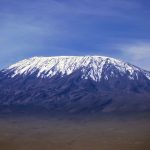
Climbing Mount Kilimanjaro is a dream for many adventure travelers. Standing at 5,895 meters (19,341 feet), it is Africa’s highest mountain and one of the world’s most famous trekking destinations. But many people ask: Can I climb Mount Kilimanjaro during the rainy season?
The simple answer is yes, you can but it depends on your expectations, preparation, and tolerance for wet conditions.
When Is the Rainy Season on Kilimanjaro?
Kilimanjaro has two rainy periods:
- Long rainy season: March to May
- Short rainy season: November
April and May are typically the wettest months. During these times, rain is more frequent, especially in the rainforest zone at lower elevations.
What to Expect During the Rainy Season
1. Wet and Muddy Trails
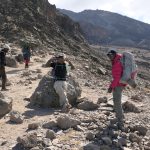
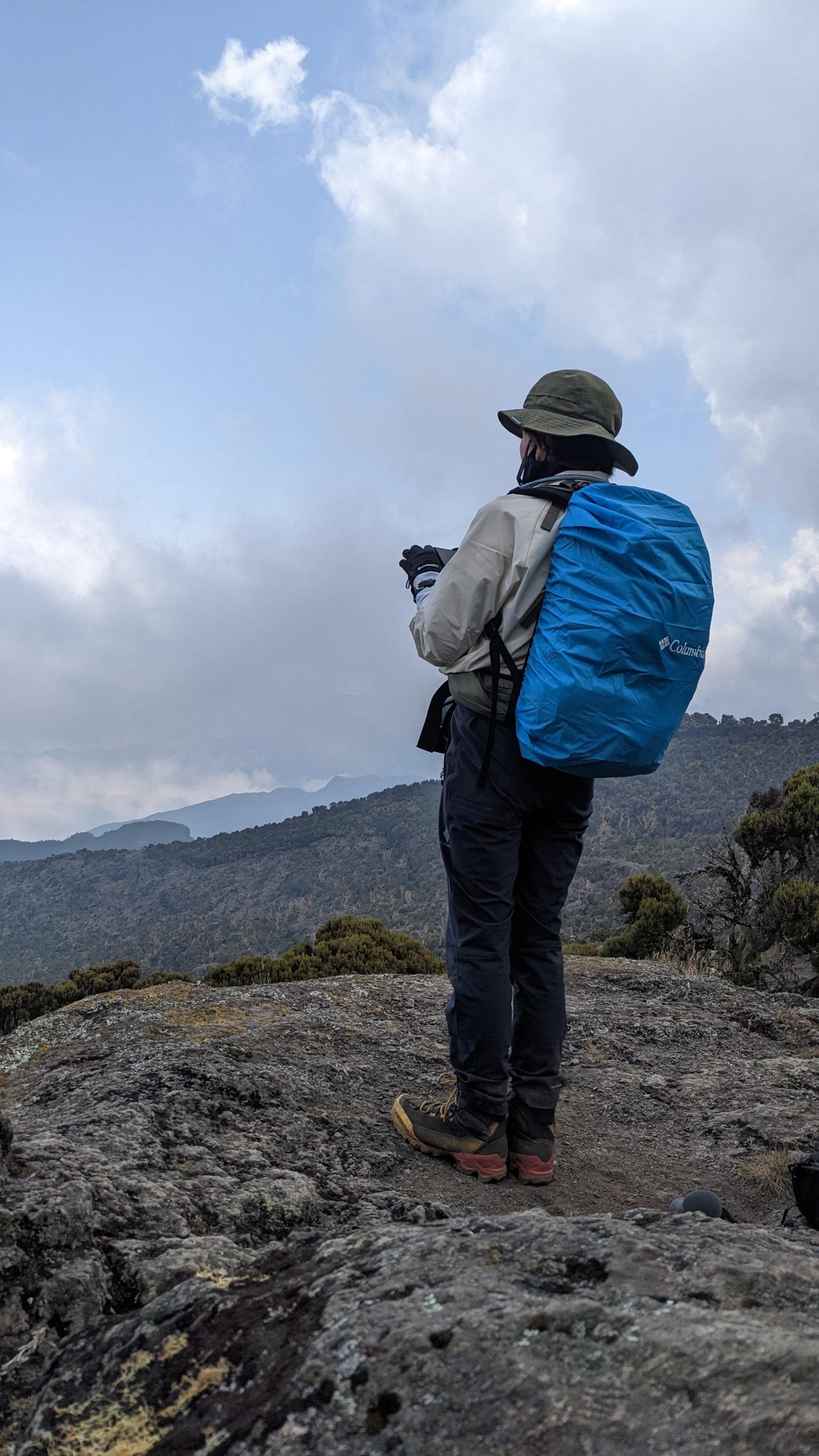
The lower slopes of Kilimanjaro pass through dense rainforest. During the rainy season, trails can become muddy and slippery. Waterproof boots and gaiters are essential.
2. Cloud Cover and Limited Views
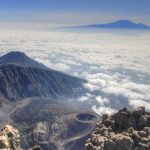
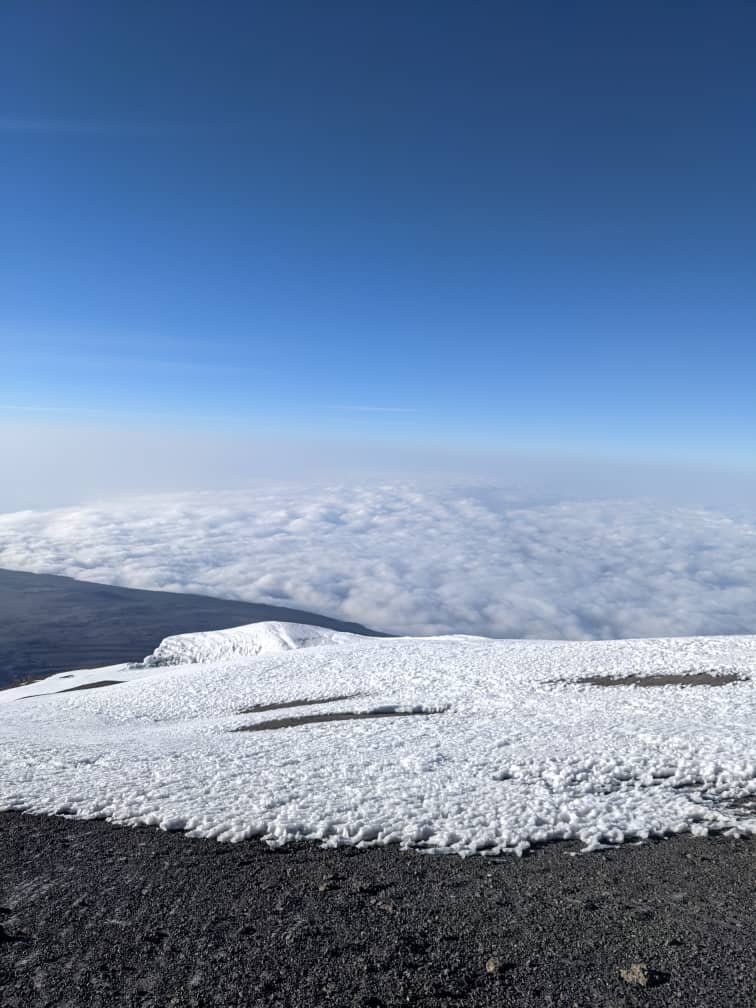
Rain often brings clouds, which may block scenic views. While summit day can still be clear, there is a higher chance of mist and reduced visibility.
3. Lush Green Scenery
One of the biggest advantages is the vibrant landscape. The rainforest becomes greener and more alive, with fresh vegetation and flowing streams.
4. Fewer Crowds
The rainy season is considered the low season. Campsites and trails are much quieter, offering a more peaceful and personal trekking experience.
Advantages of Climbing in the Rainy Season
- Less crowded routes
- Potentially lower tour prices
- Greener, more vibrant landscapes
- A quieter mountain experience
Disadvantages to Consider
- Frequent rainfall, especially in April and May
- Muddy and slippery conditions
- Damp clothing and gear
- Increased chance of cloudy summit views
Is It Safe to Climb During the Rainy Season?
Yes, climbing during the rainy season is generally safe when you:
- Book with a licensed and experienced guide company
- Use proper waterproof clothing and equipment
- Choose an appropriate route
Some routes perform better than others during wet months. For example, the Rongai Route approaches from the northern side of the mountain and is often drier compared to southern routes.
Who Should Consider Climbing in the Rainy Season?
Climbing during this time may be suitable if you:
- Prefer fewer crowds
- Are flexible about weather conditions
- Don’t mind hiking in rain
Want a more budget-friendly option
It may not be ideal if you:
- Want guaranteed clear views
- Prefer dry, dusty trails
- Dislike wet and muddy conditions
Final Thoughts
Yes, you can climb Mount Kilimanjaro during the rainy season but it requires good preparation and realistic expectations. While the rain can make the trek more challenging, it also brings solitude, lush scenery, and a unique experience.
If clear skies and dry trails are your priority, the dry seasons (January–February and June–October) are usually better. However, if you are well-prepared and adventurous, the rainy season can still offer an unforgettable journey to the Roof of Africa.