How dangerous is mount kilimanjaro?
How dangerous is mount kilimanjaro? What every climber should know
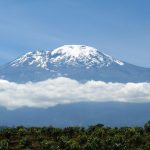
Mount Kilimanjaro is Africa’s highest mountain and one of the most climbed peaks in the world. Every year, tens of thousands of people successfully reach the summit. While Kilimanjaro is not a technical mountain that requires ropes or climbing skills, it does come with real risks that every climber should understand before starting the journey.
This article explains how dangerous Kilimanjaro really is, what the main risks are, and how those risks are managed.
Is Climbing Kilimanjaro Dangerous?
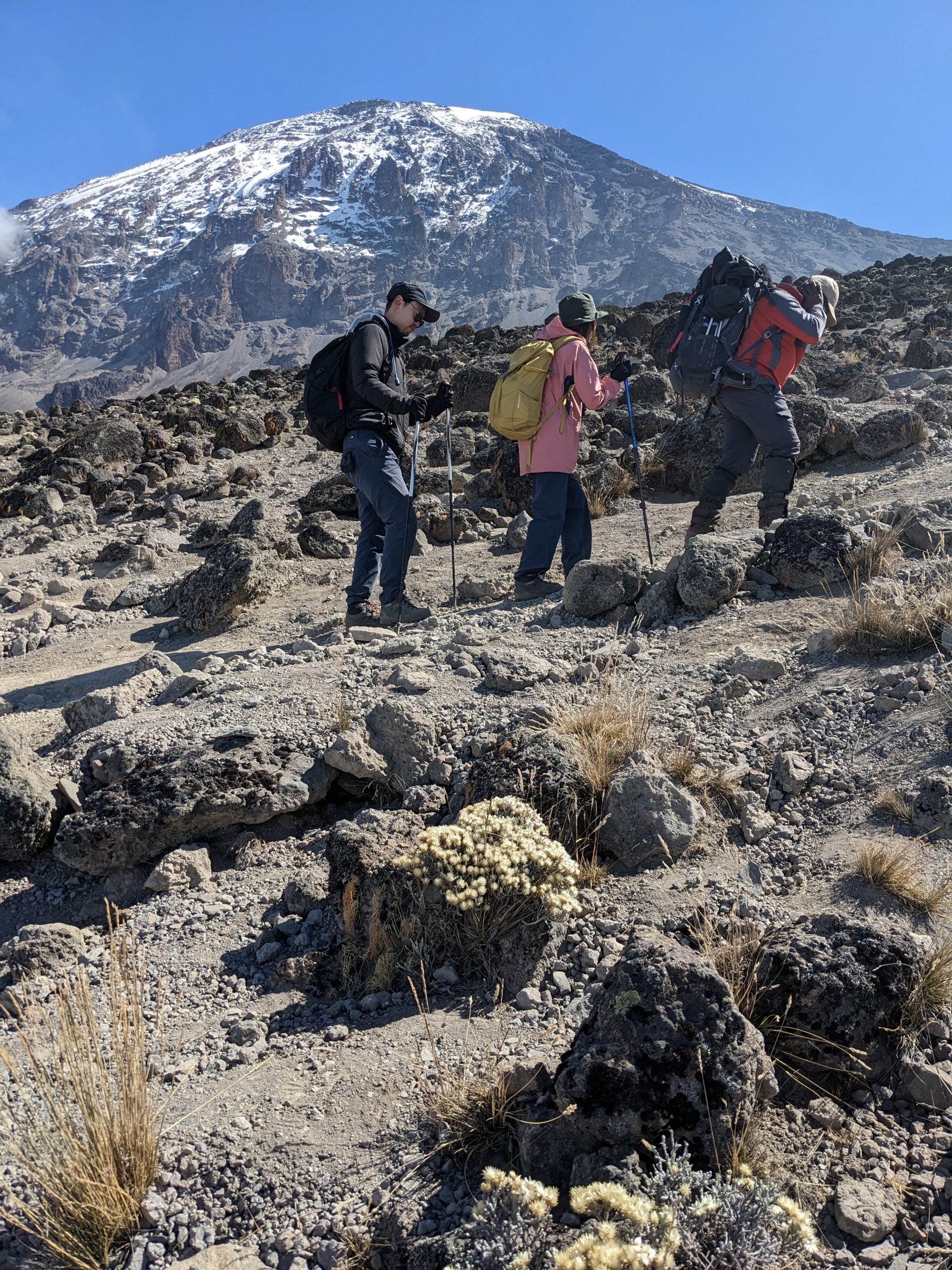
Climbing Mount Kilimanjaro is considered moderately dangerous, mainly because of high altitude, not because of technical difficulty. Kilimanjaro is a trekking mountain, meaning no technical climbing, ice climbing, or mountaineering experience is required. People of different ages and fitness levels can climb it successfully. However, reaching 5,895 meters exposes the body to extreme altitude, which is the primary challenge.
With proper planning, experienced guides, and enough acclimatization days, Kilimanjaro is generally safe.
The Biggest Risk: Altitude Sickness
Altitude sickness is the main danger on Mount Kilimanjaro. As you climb higher, oxygen levels decrease. This can cause symptoms such as:
- Headache
- Nausea
- Dizziness
- Fatigue
- Loss of appetite
In rare cases, severe altitude sickness can occur, which is why professional guides monitor climbers closely and may decide to descend if necessary. Choosing a longer route with better acclimatization greatly reduces this risk.
Weather and Cold Conditions
Weather on Kilimanjaro changes dramatically as you gain altitude. At the base, conditions are warm and tropical. Near the summit, temperatures can drop well below freezing, especially at night. Strong winds and snow are possible on summit day. Proper clothing, layering, and quality gear are essential to stay safe and comfortable.
Physical Fatigue and Fitness Challenges
Climbing Kilimanjaro is physically demanding, even though it does not require technical skills. Long walking hours, steep sections, and summit night can be exhausting. Fatigue increases the risk of slips, slow reaction time, and injuries, especially during descent. Preparing with regular walking, hiking, and cardio training helps reduce these risks.
Trail Safety and Terrain
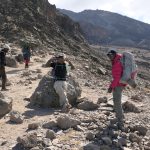
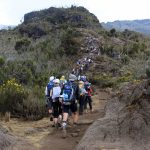
Kilimanjaro trails are well-established and maintained. There are no exposed cliffs or dangerous climbing sections on standard routes. However, loose gravel, steep slopes, and wet forest paths can cause slips, particularly during descent. Trekking poles and proper hiking boots greatly improve stability and safety.
How Safe Is Kilimanjaro With a Professional Guide?
Climbing Kilimanjaro with a licensed and experienced operator significantly improves safety. Professional guides:
- Monitor altitude symptoms daily
- Control walking pace
- Ensure proper hydration and nutrition
- Carry first-aid kits and emergency oxygen
- Make safe decisions about continuing or descending
Most serious problems occur when climbers rush the climb or choose extremely short itineraries.
Kilimanjaro Fatality Risk (Reality Check)
Deaths on Kilimanjaro are very rare compared to the number of climbers each year. The fatality rate is estimated to be less than 1%, and most incidents are linked to severe altitude sickness, pre-existing health conditions, or ignoring guide advice. When climbed responsibly, Kilimanjaro is safer than many extreme adventure activities.
How to Reduce the Risks on Kilimanjaro
You can greatly reduce danger by:
- Choosing a longer route (7–9 days)
- Walking slowly (“pole pole”)
- Drinking enough water
- Eating properly
- Listening to your guide
- Using a reputable local operator
The key to safety on Kilimanjaro is patience and preparation, not speed.
Final Conclusion:
Mount Kilimanjaro is challenging but not extremely dangerous when climbed responsibly. The main risk is altitude, and this can be managed with proper acclimatization, professional guidance, and realistic expectations.
For well-prepared climbers using experienced guides, Kilimanjaro is a safe, achievable, and life-changing adventure.