How long does it take to descend mount kilimanjaro?
HOW LONG DOES IT TAKE TO DESCEND MOUNT KILIMANJARO?
After reaching the summit of Mount Kilimanjaro, the journey is only halfway complete. Many travelers ask, “How long does it take to descend Kilimanjaro?” While the ascent requires careful acclimatization over several days, the descent is much faster and usually takes 1 to 2 days, depending on the route and itinerary.
This article explains the descent process in detail so you know exactly what to expect after summit day.
Understanding the Descent from Kilimanjaro
Descending Mount Kilimanjaro is significantly quicker than climbing up. Once you have reached the summit, your body no longer needs time to adapt to altitude, allowing you to move faster toward lower elevations.
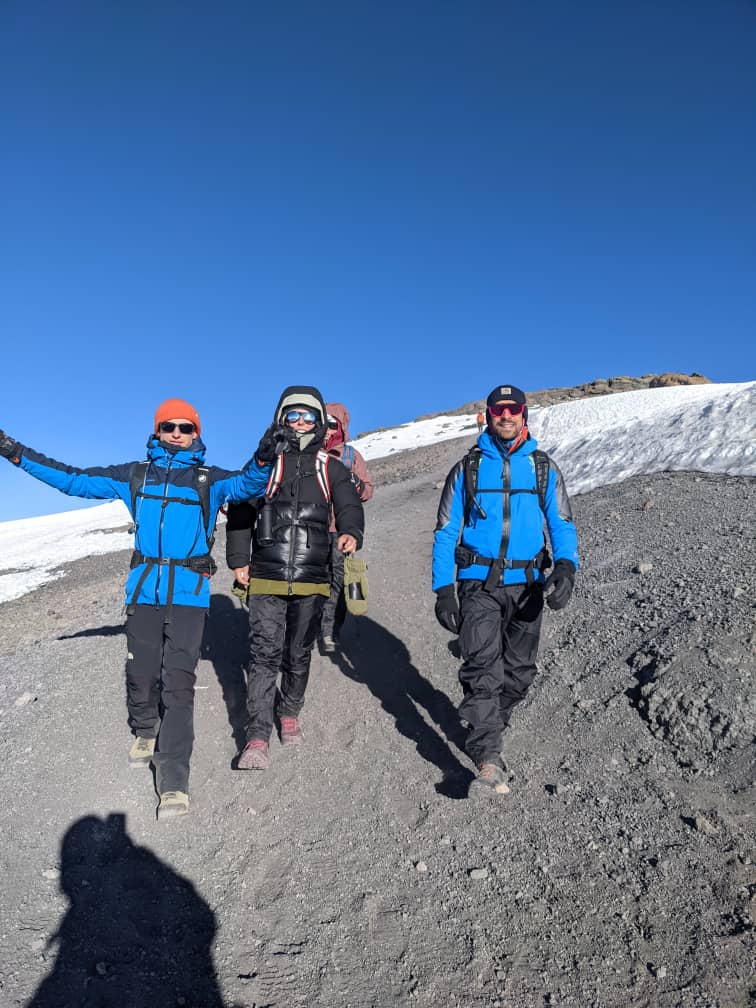
Most climbers begin descending immediately after summiting, often on the same day. The goal is to reach lower, warmer altitudes as soon as possible to reduce fatigue and altitude-related discomfort. Although faster, the descent still requires focus and physical effort.
Typical Descent Duration
- Total descent time: 1–2 days
- Summit to high camp: 5–7 hours
- High camp to park gate: 5–8 hours
On summit day, climbers usually descend from the summit to a lower camp in the afternoon. The following day, they continue down to the park gate, where the trek officially ends. In some cases, especially on shorter routes, the descent can be completed in a single long day.
Descent Routes on Kilimanjaro
Mweka Route (Most Routes)
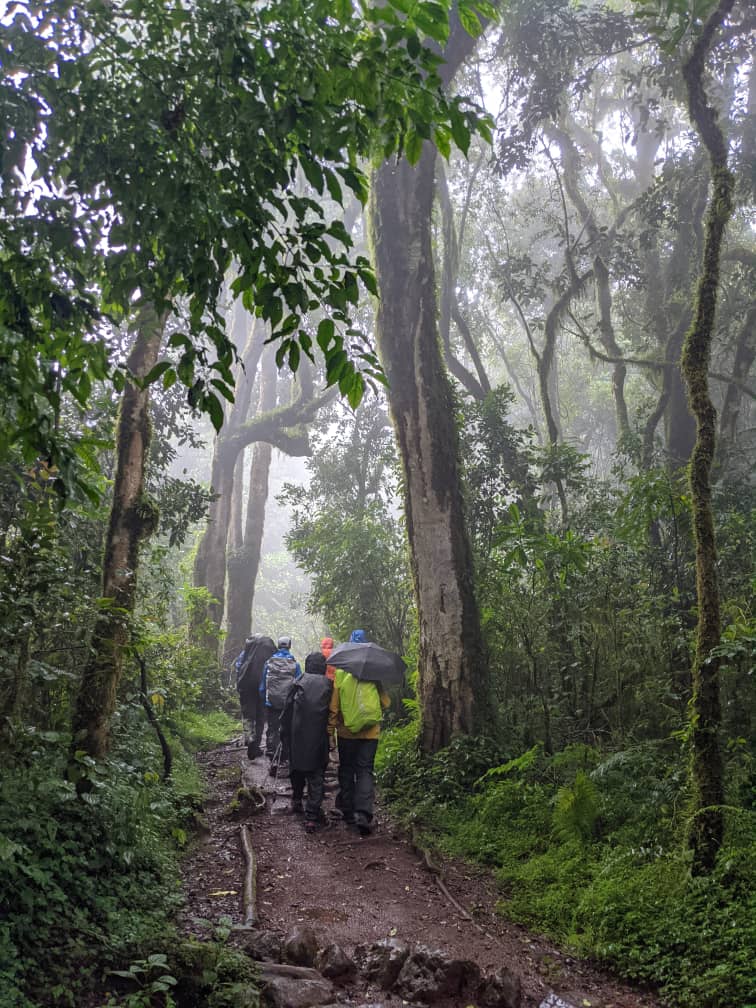
Routes such as Machame, Lemosho, and Northern Circuit use the Mweka Route for descent. The Mweka Route is designed specifically for descending and provides a safe, controlled path through moorland and rainforest zones. The descent on this route usually takes two days, allowing climbers to rest overnight at a lower camp before exiting the park.
Marangu Route
The Marangu Route uses the same path for ascent and descent. Because of its direct trail and hut accommodations, climbers on the Marangu Route can often descend in one day from the summit to the park gate, depending on their pace and fitness.
Why the Descent Is Faster Than the Ascent
Several factors make the descent quicker:
- No need for altitude acclimatization
- Downhill walking is faster than uphill climbing
- Well-maintained trails for descent
- Strong motivation to reach warmer, oxygen-rich areas
Even though the descent is faster, it can be physically demanding, especially on the knees and joints. Proper pacing is essential to avoid injury or exhaustion.
Physical Challenges During the Descent
Descending Kilimanjaro may feel easier at first, but it comes with its own challenges. Long downhill walks can cause knee strain, muscle fatigue, and sore feet. Trekkers often feel more tired during descent because of the long hours of walking after summit day. Trekking poles, good hiking boots, and controlled steps help reduce stress on the body.
Important Tips for a Safe Descent
- Use trekking poles to protect your knees
- Walk slowly and steadily on steep sections
- Stay hydrated and eat regularly
- Follow your guide’s instructions at all times
- Take short breaks to avoid muscle fatigue
Safety during descent is just as important as during ascent. Listening to your guide and maintaining a steady pace ensures a comfortable and injury-free return.
Conclusion
Descending Mount Kilimanjaro typically takes 1 to 2 days, depending on the route and itinerary. While it is faster than the ascent, it still requires physical effort, concentration, and proper guidance.
With the right preparation and a professional guiding team, the descent is a rewarding part of the journey allowing you to reflect on your achievement and enjoy the changing landscapes as you return to the base of Africa’s highest mountain.