
How Tanzanian Communities Welcome Visitors
How Tanzanian Communities Welcome Visitors
Tanzania is widely known for its breathtaking landscapes, abundant wildlife, and the iconic Mount Kilimanjaro. However, one of the most memorable aspects of visiting Tanzania is the warm hospitality of its people. Across the country, communities proudly welcome visitors and share their culture, tradit ions, and daily life with genuine kindness.
For many travelers, meeting local people becomes one of the most meaningful experiences of their journey. Tanzanian communities value respect, friendship, and cultural exchange, and visitors are often treated not as strangers but as honored guests.
The Spirit of Tanzanian Hospitality
Hospitality is deeply rooted in Tanzanian culture. From busy towns to remote villages, visitors are greeted with smiles and warm welcomes. A common greeting you will hear throughout the country is “Karibu,” a Swahili word meaning “you are welcome.”
This simple word represents a powerful cultural value: welcoming others with openness and generosity. Whether you are arriving in a local village, a family home, or a community market, Tanzanians often go out of their way to make visitors feel comfortable.
The national language, Swahili, helps unite the country’s more than 120 ethnic groups, making communication and cultural exchange easier for travelers.
Welcoming Visitors in Local Villages
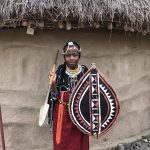
Many travelers have the opportunity to visit local communities near popular destinations such as Moshi, Arusha, and the slopes of Mount Kilimanjaro. Village visits allow guests to experience everyday life while learning about traditional customs and practices.
During these visits, local residents often welcome guests with:
- Traditional songs and dances
- Guided tours of the village
- Demonstrations of farming or craft-making
- Opportunities to taste local food and drinks
- Storytelling about community traditions
These experiences provide travelers with a deeper understanding of Tanzanian culture and the daily life of local families.
Cultural Exchanges and Learning Experiences
One of the most special parts of visiting Tanzanian communities is the opportunity for cultural exchange. Instead of simply observing local life, visitors are often invited to participate in activities and learn directly from community members.
Examples of cultural experiences include:
- Learning how to cook traditional dishes such as Ugali or Pilau
- Watching or joining traditional dance performances
- Visiting local farms and coffee plantations
- Learning traditional handicrafts like beadwork or basket weaving
In many communities around Mount Kilimanjaro, visitors can also participate in coffee tours, where local farmers demonstrate how coffee beans are grown, roasted, and prepared using traditional methods.
Traditional Greetings and Respect
Respect and politeness are important elements of Tanzanian culture. Visitors who greet people respectfully are often met with even greater warmth.
Common greetings include:
- Jambo – Hello
- Habari – How are you?
- Asante – Thank you
- Karibu – Welcome
Taking time to greet people properly is considered a sign of respect and friendliness. Even learning a few Swahili words can create positive connections with local communities.
Sharing Food and Local Traditions
Food is an important way Tanzanians welcome guests. In many villages, visitors may be invited to share a meal or taste traditional dishes prepared by local families.
Meals are often enjoyed together in a relaxed and friendly atmosphere, allowing guests to learn about cultural traditions, farming practices, and family life. Sharing food is a symbol of friendship and community, and it is one of the most memorable parts of visiting rural Tanzania.
Local markets also provide a lively environment where visitors can see fresh produce, spices, and handmade products that reflect the region’s culture.
Supporting Local Communities Through Tourism
Community visits in Tanzania are not only meaningful cultural experiences for travelers but also provide important benefits to local residents. Cultural tourism helps create income for families, supports education projects, and encourages the preservation of traditional knowledge and customs.
By visiting communities respectfully, travelers contribute directly to sustainable tourism and help maintain cultural heritage for future generations.
Many responsible tour operators work closely with communities to ensure that tourism benefits local people and protects cultural traditions.
A Memorable Cultural Experience
Meeting the people of Tanzania adds a unique and personal dimension to any journey. Beyond the famous national parks and mountains, it is the warmth, friendliness, and cultural pride of Tanzanian communities that truly make a visit unforgettable.
Whether you are visiting a coffee village near Moshi, exploring rural communities near Arusha, or sharing stories with local families on the slopes of Mount Kilimanjaro, you will discover that Tanzanian hospitality is genuine and heartfelt.
Travelers often leave Tanzania not only with incredible photos and adventures but also with lasting friendships and a deeper appreciation of the country’s rich cultural heritage.