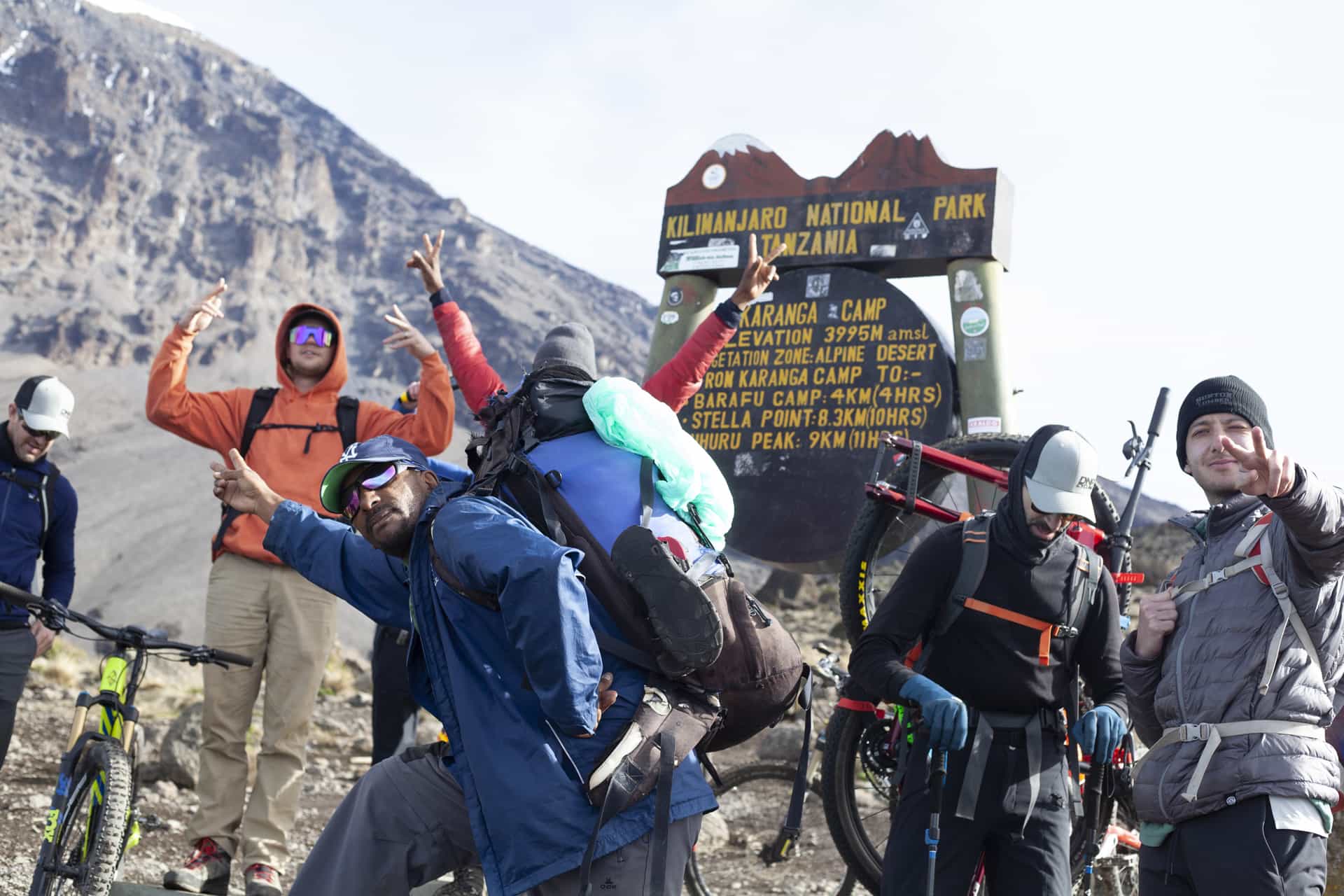
How to Book Your Trek After You’ve Arrived in Tanzania
How to Book Your Trek After You’ve Arrived in Tanzania
Arriving in Tanzania without a pre-booked trek might feel uncertain, but it is entirely possible to organize your adventure once you are on the ground. Whether you are planning to climb Mount Kilimanjaro, trek Mount Meru, or combine your trip with a safari, booking locally can offer flexibility and sometimes better value.
Here is a complete guide to help you book your trek after arriv ing in Tanzania.
Booking in Advance vs Booking After Arrival
When planning a trek in Tanzania, many travelers wonder whether to book before flying or wait until they arrive. Booking in advance gives you certainty. You can secure your preferred dates, ask detailed questions months ahead, and plan your climb to Mount Kilimanjaro with confidence. On the other hand, waiting until you arrive offers flexibility but may require patience, as you might need to wait several days to find a suitable group or departure date.
Advantages of Booking Your Trek in Tanzania
Booking after arrival has several benefits. One of the biggest advantages is the ability to negotiate face-to-face. Some operators may offer better rates, especially during the low season. Paying in US dollars cash can also help you avoid credit card processing fees or international bank transfer charges. Additionally, you have the opportunity to meet your guide, speak with porters, and even connect with fellow trekkers before committing, which can give you greater peace of mind.
Flexibility and Last-Minute Planning
Another key advantage of booking locally is flexibility. In some cases, you can arrange a trek just a day before departure. This allows you to adjust your schedule depending on weather, availability, or personal preference. Unlike booking through an overseas agency, which often requires fixed dates months in advance, organizing your climb in Tanzania gives you more freedom to choose what works best for you.
Where to Book: Arusha or Moshi?
The two main towns for organizing Kilimanjaro treks are Arusha and Moshi. Arusha is home to many well-established safari and trekking companies, and agencies there often combine Kilimanjaro climbs with wildlife safaris. Moshi, however, is smaller and more focused specifically on Kilimanjaro trekking. Prices in Moshi are often slightly lower, and the town’s compact layout makes it easier to visit several agencies in a short time. Many budget operators are based in Moshi, but travelers should still check quality carefully before booking.
Avoiding Middlemen in Other Cities
Some travelers consider booking through agencies in cities like Dar es Salaam, but these companies are often middlemen working with operators in Arusha or Moshi. Booking directly in Arusha or Moshi allows you to inspect equipment, meet your guide, and potentially avoid paying higher prices charged by intermediaries.
Checking Licenses and Credentials
Before signing any agreement, always verify that the company has a valid trekking license. Ask to see official documentation and confirm that it specifically covers trekking activities. A legitimate operator should have no problem showing their credentials. If a license appears outdated or unclear, it is safer to choose another company.
Comparing Agencies Carefully
It is wise to speak with several operators before making your decision. Ask about group size, porter numbers, safety procedures, and emergency equipment. Request a detailed day-by-day itinerary and confirm exactly what is included in the quoted price, such as park fees, accommodation, meals, and transfers. Reading recent reviews and asking to speak with a past client can also provide valuable insight into the company’s reliability.
Inspecting Equipment Before You Book
One advantage of booking locally is that you can physically inspect the equipment. Check that tents are complete and undamaged, verify that zippers work properly, and ask about sleeping bags and safety gear. Quality equipment plays an important role in comfort and safety during your climb.
Special Considerations for Solo Travelers
If you are traveling alone, ask about sleeping arrangts and group placement. Some budemenget operators combine different bookings into one larger group to reduce costs. This can be a good way to lower your expenses, but you should confirm whether you will share a tent or have a private one. Clear communication before payment prevents misunderstandings later.
Budget vs Value
While it may be tempting to choose the cheapest option, the lowest price does not always mean the best experience. Higher-quality operators often provide better safety procedures, experienced guides, and reliable equipment. Instead of focusing solely on price, aim to find the best value by balancing cost, safety, and service quality.
Final Thoughts
Booking your trek after arriving in Tanzania can be a smart and flexible option if you take the time to compare agencies carefully. It allows you to negotiate, inspect equipment, and meet your team before committing. However, it also requires patience and careful evaluation. Whether you book in advance or organize your climb locally, proper research and preparation will ensure a safer and more enjoyable Kilimanjaro adventure.
Related Posts
 Kilimanjaro vs Everest Base Camp: Which Trek Is Harder?
Kilimanjaro vs Everest Base Camp: Which Trek Is Harder, For adventure travelers choosing between Mount…
 Why Climb Mount Meru in Tanzania?
If you're looking for an incredible trekking experience in East Africa that is less crowded…
 How to Prepare for a Kilimanjaro Multi-Day Trek
How to Prepare for a Kilimanjaro Multi-Day Trek Climbing Mount Kilimanjaro is a once-in-a-lifetime adventure…