Kilimanjaro vs Everest Base Camp: Which Trek Is Harder?
Kilimanjaro vs Everest Base Camp: Which Trek Is Harder, For adventure travelers choosing between Mount Kilimanjaro and Everest Base Camp, one major question stands out: Which one is harder?
Both are world-famous high-altitude adventures. However, they are very different in terms of altitude, duration, terrain, comfort, and physical demands. Understanding these differences will help you choose the right challenge for your fitness level and goals.
About Mount Kilimanjaro
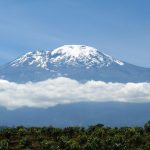
Mount Kilimanjaro stands at 5,895 meters (19,341 feet), making it the highest mountain in Africa and the tallest free-standing mountain in the world. Climbers aim to reach Uhuru Peak, the true summit.
Unlike Everest Base Camp, Kilimanjaro is a summit climb. Although it does not require technical mountaineering skills, the rapid altitude gain and steep summit night make it physically demanding.
Most Kilimanjaro climbs take between 6 and 9 days depending on the chosen route.
About Everest Base Camp Trek
Everest Base Camp sits at 5,364 meters (17,598 feet) in Nepal. Trekkers do not climb Mount Everest itself but hike to the base camp used by Everest climbers.
The trek typically takes 12 to 14 days, allowing gradual altitude gain and better acclimatization. Along the way, hikers pass through Sherpa villages, suspension bridges, monasteries, and dramatic Himalayan landscapes.
While the altitude is lower than Kilimanjaro’s summit, the longer duration makes it an endurance challenge.
Altitude Comparison
Altitude plays a major role in determining difficulty. Kilimanjaro reaches a higher elevation than Everest Base Camp. However, the key difference is how quickly you gain that altitude. On Kilimanjaro, climbers ascend nearly 4,000 meters in under a week. On the Everest Base Camp trek, the ascent is gradual over nearly two weeks. Because of the faster elevation gain, altitude sickness is more common on Kilimanjaro if proper acclimatization days are not included. In terms of rapid altitude stress, Kilimanjaro is harder.
Duration and Endurance
The Everest Base Camp trek is almost twice as long as a typical Kilimanjaro climb.
Kilimanjaro demands intense effort over a shorter period, especially during summit night when climbers hike in freezing temperatures for 6–8 hours overnight.
Everest Base Camp requires sustained endurance. Walking 5–8 hours daily for nearly two weeks can be exhausting even if the terrain is less steep.
For long-term stamina, Everest Base Camp can feel harder.
Terrain and Trail Conditions
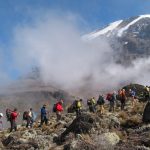
Kilimanjaro’s terrain changes dramatically. Trekkers move from rainforest to alpine desert before reaching icy summit conditions. The final summit push includes steep volcanic scree and cold winds.
Everest Base Camp features rocky mountain trails, glacier moraines, and high suspension bridges. While there is no steep summit push, daily trekking includes consistent uphill and downhill sections.
Kilimanjaro has one extremely challenging final night. Everest Base Camp spreads the challenge evenly across many days.
Accommodation and Comfort
Comfort levels differ significantly between the two adventures.
On Kilimanjaro, most routes require camping in tents with mountain crew support. Facilities are basic, and temperatures at high altitude can be extremely cold.
On the Everest Base Camp trek, hikers stay in tea houses and lodges with beds, dining areas, and warm meals.
Because of its camping style and colder summit night, Kilimanjaro often feels more like a true expedition.
Technical Difficulty
Neither Kilimanjaro nor Everest Base Camp requires technical climbing skills. No ropes or mountaineering experience are necessary under normal conditions.
Both are classified as high-altitude treks rather than technical climbs.
The main challenge for both is altitude, not climbing technique.
Physical and Mental Challenge
Kilimanjaro tests mental strength during summit night. Climbing in darkness, extreme cold, and low oxygen can be psychologically demanding.
Everest Base Camp tests patience and endurance. The long duration requires steady energy and consistent performance for nearly two weeks.
If you prefer a shorter, intense challenge, Kilimanjaro may feel tougher. If you prefer a slower but longer journey, Everest Base Camp may feel more demanding.
Final Verdict: Which Is Harder?
There is no simple answer because the type of difficulty differs.
- Kilimanjaro is higher and more intense in a short time.
- Everest Base Camp is longer and requires sustained endurance.
- Kilimanjaro has a harder summit push.
- Everest Base Camp has more comfortable accommodations.
Most trekkers agree that Kilimanjaro feels physically harder in a shorter time frame, while Everest Base Camp feels longer and more mentally enduring.
Your choice depends on whether you prefer a powerful summit experience or a longer cultural trekking journey.