Kilimanjaro Weather Guide: What to Expect on Africa’s Highest Mountain
Kilimanjaro Weather Guide
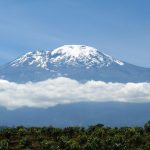
Mount Kilimanjaro is not only Africa’s highest peak at 5,895 meters (19,341 feet), but it is also a mountain of dramatic weather changes. Because of its height and location near the equator, climbers experience multiple climate zones in just a few days. Understanding Kilimanjaro’s weather is essential for proper preparation and a successful summit.
Why Kilimanjaro Weather Changes So Much
Kilimanjaro rises from warm tropical farmland to an icy Arctic summit. As you climb higher, temperatures drop and the environment changes. The mountain has five distinct climate zones, each with its own weather conditions.
- Cultivation Zone (800m – 1,800m)
This is the lower area around Moshi and the surrounding villages. The climate is warm and tropical throughout the year, with temperatures between 20°C and 30°C (68°F–86°F). Rain is common during the wet seasons.
- Rainforest Zone (1,800m – 2,800m)
The rainforest is humid, misty, and often rainy. Even during dry seasons, light showers are possible. Temperatures are cooler than the base, especially at night. Waterproof gear is important in this zone.
- Moorland Zone (2,800m – 4,000m)
This area is cooler and more open. Days can be warm under strong sun, but nights become cold. The air also becomes thinner, and you begin to feel the altitude more.
- Alpine Desert (4,000m – 5,000m)
Conditions here are dry, windy, and cold. Vegetation disappears, and temperatures can drop below freezing at night. The sun during the day can still be intense.
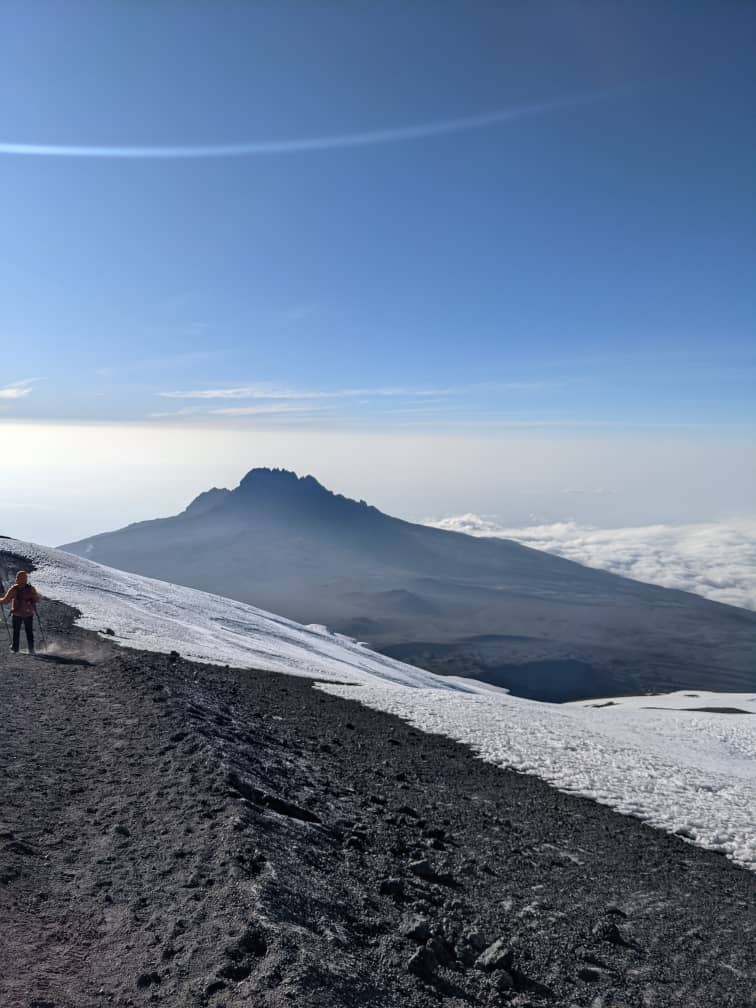
- Arctic Summit Zone (Above 5,000m)
The summit area is extremely cold, especially during the midnight summit attempt. Temperatures can range from -10°C to -20°C (14°F to -4°F), sometimes even colder with wind chill. Snow and ice are common.
Kilimanjaro Temperature Overview
Temperatures depend on altitude and time of day:
- Lower Slopes: Warm and tropical
- Mid-Mountain Camps: Cool days, cold nights
- Summit Night: Freezing temperatures and strong winds
Because summit day starts around midnight, climbers face the coldest conditions of the entire climb.
Best Time to Climb Kilimanjaro
Although Kilimanjaro can be climbed year-round, weather conditions vary by season.
Dry Seasons (Best Conditions)
- January to March
- June to October
These months offer clearer skies, better views, and less rain. They are the most popular times to climb.
Rainy Seasons
- April to May (Long Rains)
- November (Short Rains)
Trails can become muddy, especially in the rainforest. Clouds may reduce visibility, but there are fewer climbers on the mountain.
Wind and Weather Challenges
Weather on Kilimanjaro can change quickly. Climbers should be prepared for:
- Strong winds at higher altitudes
- Rapid temperature drops after sunset
- Intense sun exposure during the day
- Possible snowfall near the summit
Layered clothing is essential to adjust to changing conditions.
What to Pack for Kilimanjaro Weather
Proper gear is critical for comfort and safety. Recommended clothing includes:
- Thermal base layers
- Fleece or insulated jacket
- Heavy down jacket for summit night
- Waterproof jacket and trousers
- Warm gloves and hat
- Sunglasses and sunscreen
- Sleeping bag rated to at least -10°C to -20°C
Having the right equipment significantly increases your chances of reaching the summit comfortably.
Is Kilimanjaro Weather Dangerous?
Kilimanjaro’s weather itself is manageable with preparation. The biggest challenge is the combination of cold temperatures and high altitude. With experienced guides, proper acclimatization, and correct gear, most climbers successfully summit without serious weather-related issues.
Final Thoughts
Kilimanjaro’s weather is one of the most important factors to consider when planning your climb. From tropical heat to freezing summit winds, the mountain offers a full range of climates in just a few days.
Choosing the right season, packing properly, and climbing with experienced local guides will help you safely enjoy this incredible adventure to the Roof of Africa.