Tribes of Tanzania
Traditional Tribes and Cultures You Can Experience in Tanzania
Tanzania is not only famous for wildlife safaris and the majestic Mount Kilimanjaro, but it is also one of the most culturally diverse countries in Africa. With more than 120 ethnic tribes, Tanzania offers travelers a rich cultural heritage shaped by centuries of traditions, languages, customs, and lifestyles.
For visitors who want to experience more than wildlife and landscapes, exploring Tanzania’s traditional tribes provides an unforgettable opportunity to connect with local communities, learn about ancient ways of life, and discover the authentic spirit of East Africa.
This guide explores some of the most fascinating tribes and cultural experiences travelers can enjoy while visiting Tanzania.
Cultural Diversity in Tanzania
The people of Tanzania come from a wide variety of ethnic groups, each with unique traditions, clothing styles, ceremonies, and social structures. Despite these differences, Tanzanians are united by the national language Swahili, which allows people from different tribes to communicate and live together peacefully.
Traditional culture in Tanzania is still very much alive, especially in rural areas where communities continue to practice their ancestral customs. Visitors can witness traditional dances, taste local foods, participate in village life, and learn about indigenous knowledge passed down through generations.
Many cultural tours are organized near destinations such as Arusha, Moshi, and Lake Eyasi, making them easy to combine with safari adventures or mountain trekking.
The Maasai Tribe
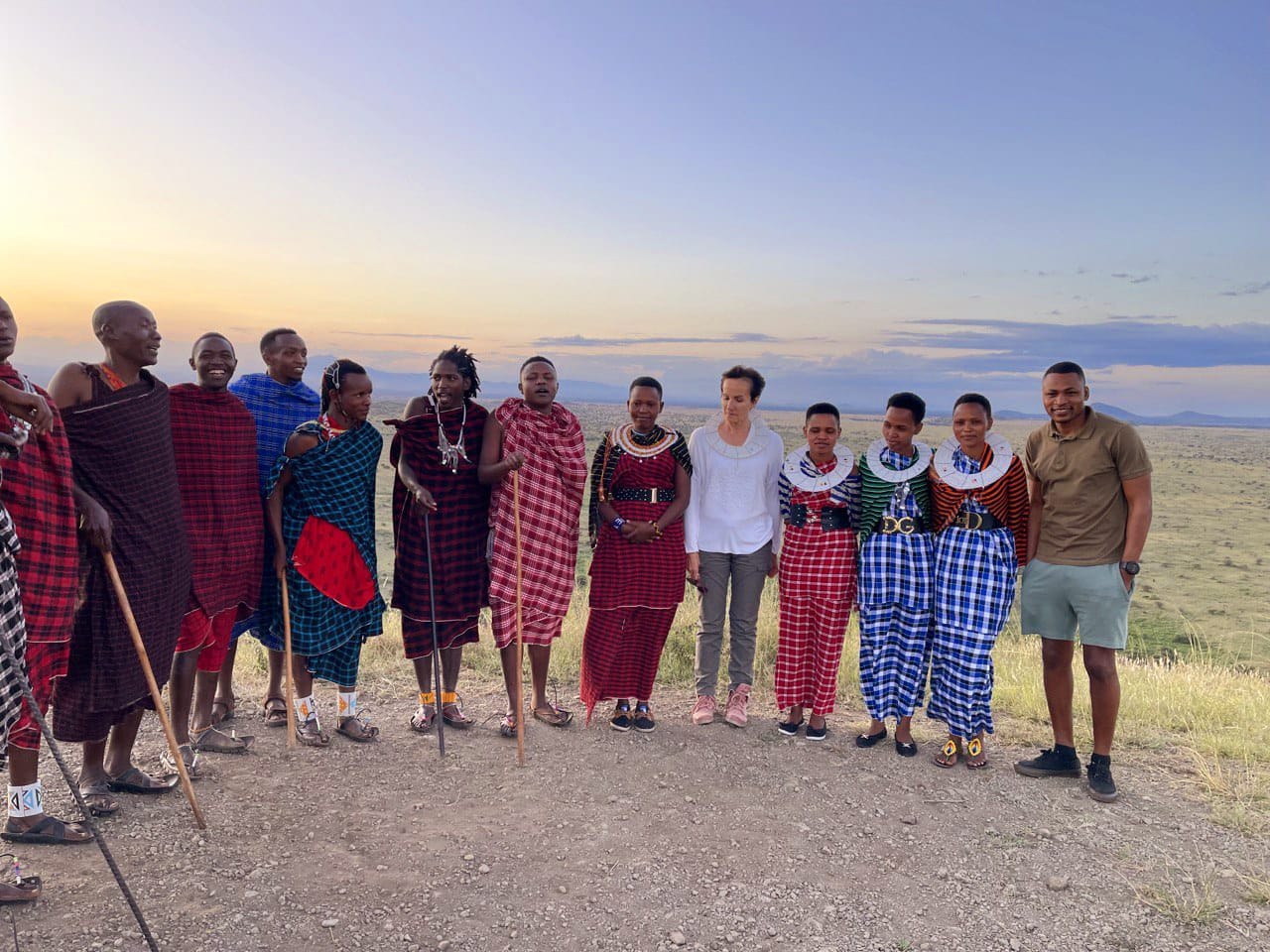
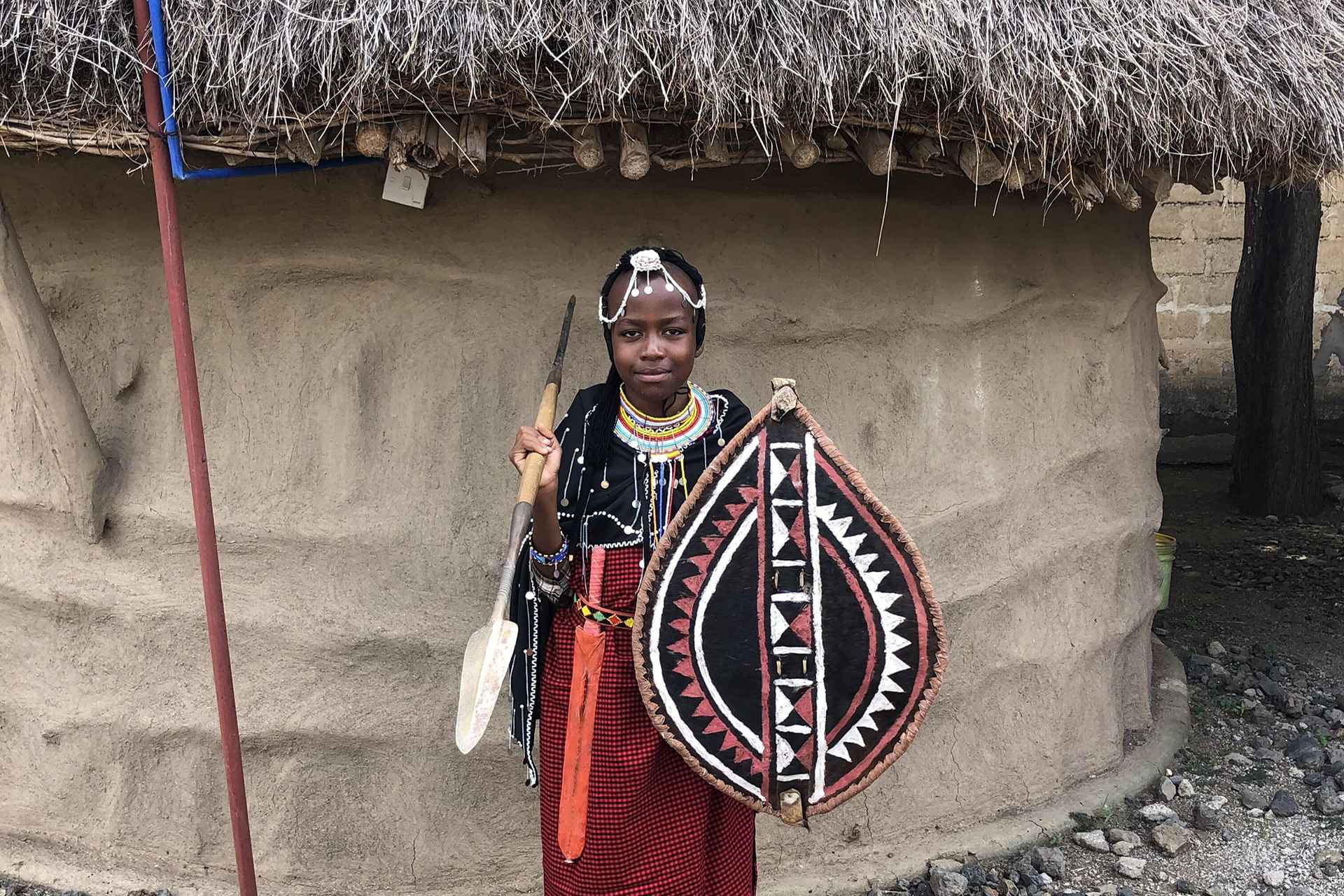
One of the most famous tribes in East Africa is the Maasai. The Maasai people live mainly in northern Tanzania and southern Kenya, particularly around areas such as the Ngorongoro Conservation Area and the Serengeti National Park.
Traditional Lifestyle
The Maasai are traditionally semi-nomadic pastoralists, meaning their lives revolve around cattle. Cattle are considered a symbol of wealth and play an important role in their diet, ceremonies, and social status.
Many Maasai communities still live in traditional villages called bomas, where houses are built using mud, sticks, grass, and cow dung. These villages are often surrounded by thorn fences to protect livestock from predators.
Cultural Experiences
Visitors to Maasai villages can:
- Learn about Maasai traditions and daily life
- Watch traditional jumping dances known as Adumu
- Visit traditional homes
- Learn how Maasai make fire using sticks
- See handmade bead jewelry and crafts
These cultural visits offer a meaningful opportunity to understand the Maasai way of life and their deep connection to the land.
The Hadzabe Tribe
The Hadzabe people are among the last remaining hunter-gatherer tribes in Africa. They live near Lake Eyasi in northern Tanzania and maintain a lifestyle that has changed very little for thousands of years.
Ancient Hunting Traditions
The Hadzabe rely on hunting wild animals and gathering fruits, berries, honey, and roots from the surrounding bush. They use simple handmade tools such as bows and arrows to hunt small animals and birds.
Unlike many modern societies, the Hadzabe do not practice farming or livestock keeping. Instead, they move from place to place following natural food sources.
Unique Cultural Experience
Visitors can join the Hadzabe early in the morning and experience their traditional lifestyle by:
- Participating in a hunting trip
- Learning how they track animals
- Gathering wild fruits and plants
- Observing how they make fire
- Listening to their unique click language
This experience gives travelers a rare glimpse into one of the world’s oldest surviving cultures.
The Datoga Tribe
Living close to the Hadzabe near Lake Eyasi are the Datoga people, a pastoral tribe known for their metalworking skills.
Skilled Blacksmiths
The Datoga are famous for producing handmade tools, arrowheads, knives, and jewelry using traditional blacksmith techniques. Their skills have been passed down through generations and remain an important part of their culture.
Cultural Interaction
Visitors can learn about Datoga traditions by:
- Visiting blacksmith workshops
- Watching the creation of metal tools
- Learning about their livestock-based lifestyle
- Seeing traditional facial markings worn by women
The Datoga culture is closely connected to both livestock and craftsmanship.
The Chagga Tribe
The Chagga people live on the fertile slopes of Mount Kilimanjaro and are known for their agricultural skills and rich cultural heritage.
Farming and Coffee Culture
The Chagga are successful farmers who grow crops such as bananas, maize, and coffee. Their farming system uses irrigation channels built centuries ago to distribute water from mountain streams.
Coffee production is an important part of Chagga culture, and visitors can participate in traditional coffee tours around villages near Moshi.
Cultural Experiences
During a Chagga cultural tour, visitors can:
- Visit traditional underground tunnels used during tribal wars
- Learn how coffee is grown, roasted, and prepared
- Taste local banana beer
- Visit local farms and waterfalls such as those near Materuni Waterfalls
These experiences allow travelers to explore both nature and culture at the same time.
The Sukuma Tribe
The Sukuma are the largest ethnic group in Tanzania, mainly living in the northwestern region near Lake Victoria.
Cultural Identity
The Sukuma people are primarily farmers and cattle keepers. Their traditions include vibrant music, storytelling, and dance performances that celebrate harvests, weddings, and community events.
Traditional Sukuma dance performances often feature:
- Large drums
- Colorful costumes
- Acrobatic dance movements
These performances provide insight into the strong community spirit of Sukuma culture.
Traditional Food in Tanzanian Culture
Food plays an important role in cultural identity across Tanzania. When visiting local communities, travelers often have the chance to taste traditional dishes such as:
- Ugali – a staple dish made from maize flour
- Nyama Choma – grilled meat often enjoyed during celebrations
- Pilau – spiced rice cooked with meat or vegetables
- Chapati – a flatbread popular throughout East Africa
Sharing food with local communities is one of the best ways to connect with Tanzanian culture.
Cultural Tourism and Responsible Travel
Cultural tourism in Tanzania plays an important role in supporting rural communities. Many cultural programs allow visitors to learn about traditional lifestyles while providing income that supports education, healthcare, and community development.
Responsible cultural tourism encourages visitors to:
- Respect local traditions and customs
- Ask permission before taking photos
- Support local artisans and handmade crafts
- Learn about cultural values and community life
By participating respectfully, travelers help preserve these traditions for future generations.
Discover the Cultural Heart of Tanzania
Exploring traditional tribes and cultures adds a deeper dimension to any journey through Tanzania. Beyond the famous national parks and mountains, the country’s people offer a warm welcome and a fascinating window into Africa’s cultural heritage.
Whether visiting the pastoral villages of the Maasai, hunting with the Hadzabe near Lake Eyasi, or enjoying a coffee tour with the Chagga on the slopes of Mount Kilimanjaro, travelers will discover that the true beauty of Tanzania lies not only in its landscapes but also in its people and traditions.
Cultural experiences create meaningful connections and unforgettable memories that last long after the journey ends.