Mount Kilimanjaro is one of the most extraordinary natural wonders in the world. Standing at 5,895 meters (19,341 feet), it is the highest mountain in Africa and the tallest free-standing mountain on Earth. But Kilimanjaro is more than just a summit it is a complete world of ecosystems, wildlife, glaciers, and volcanic history.
Five Distinct Ecological Zones
One of the most fascinating things about Kilimanjaro is that you pass through five different climate zones during your climb. It feels like traveling from the tropics to the Arctic in just a few days.
Cultivation Zone
At the base of the mountain, you’ll find fertile farmland where local communities grow bananas, coffee, and maize. The volcanic soil makes this region very productive.
Rainforest Zone
This is a lush, green forest filled with tall trees, moss-covered branches, and misty trails. The air is humid, and you can hear birds and monkeys in the trees.
Moorland Zone
As you climb higher, the forest gives way to open landscapes filled with giant plants and shrubs. The views begin to open up, and temperatures become cooler.
Alpine Desert
This zone is dry, rocky, and windy. Vegetation is minimal, and the landscape feels almost like a lunar surface. Days can be hot under the sun, but nights are very cold.
Arctic Summit Zone
At the top, you enter a freezing environment with ice, snow, and glaciers. Despite being near the equator, the summit feels like the North Pole.
Rare and Unique Plants
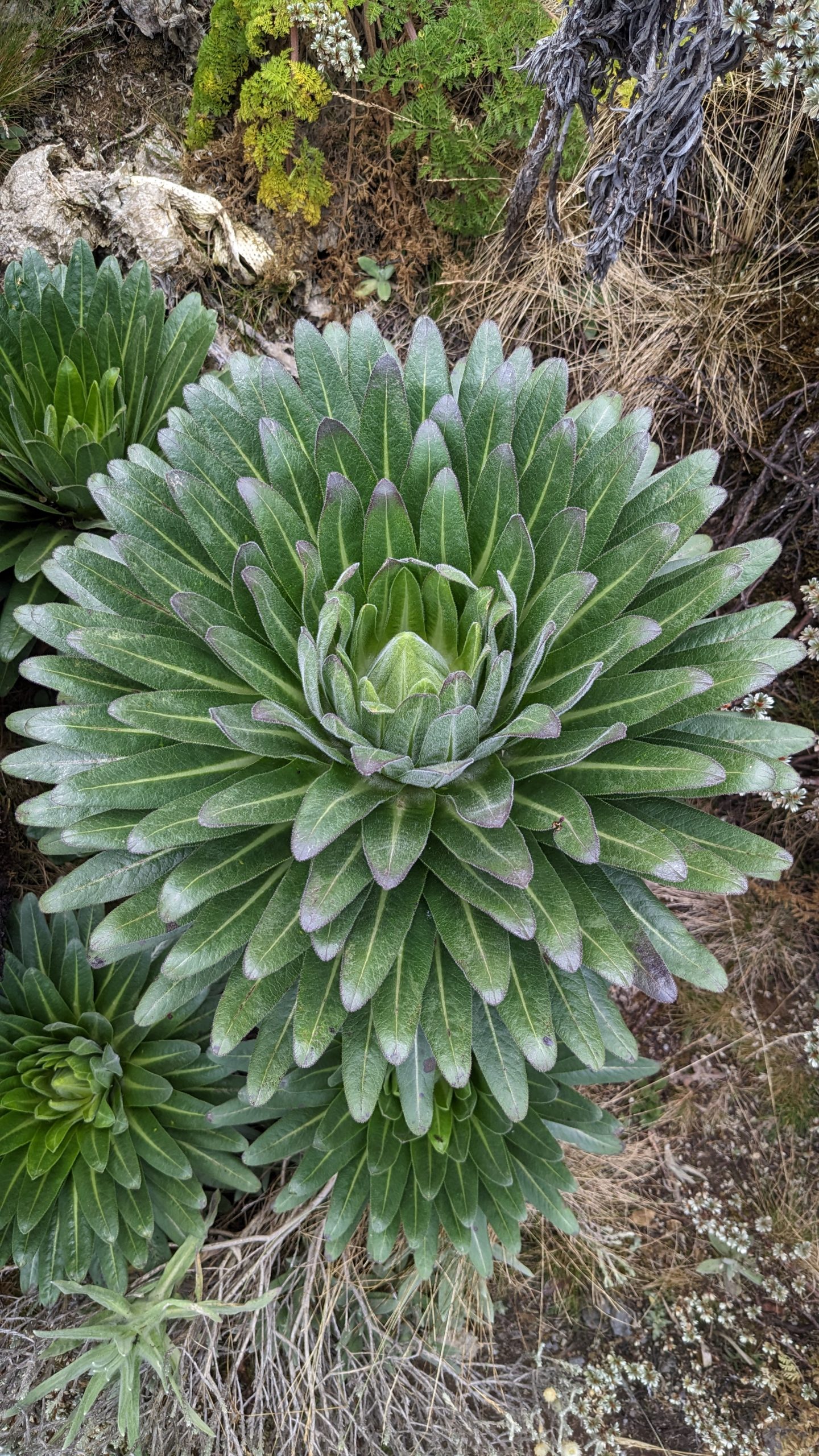
Kilimanjaro is famous for plants that grow nowhere else in the world.
You may see:
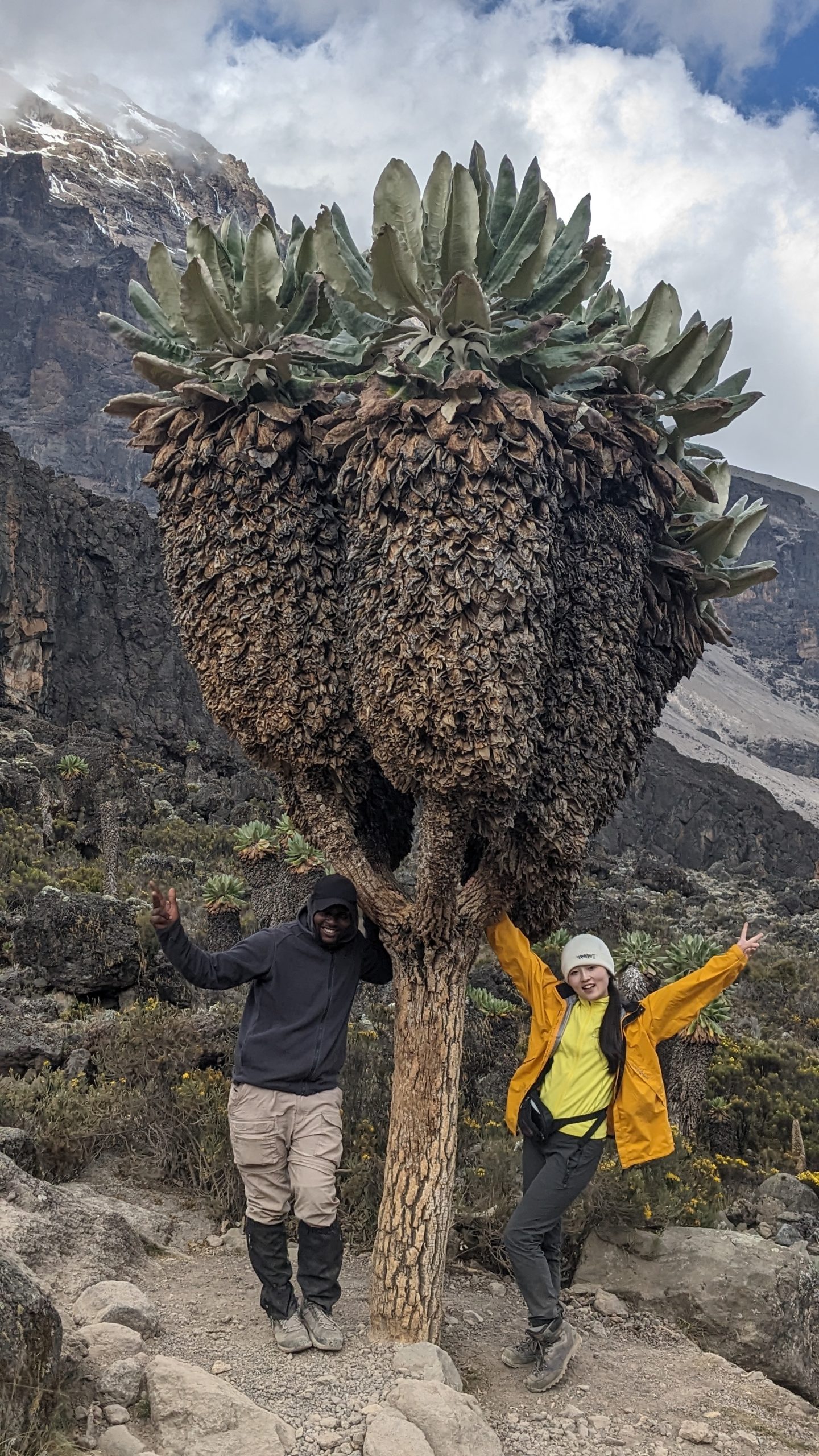
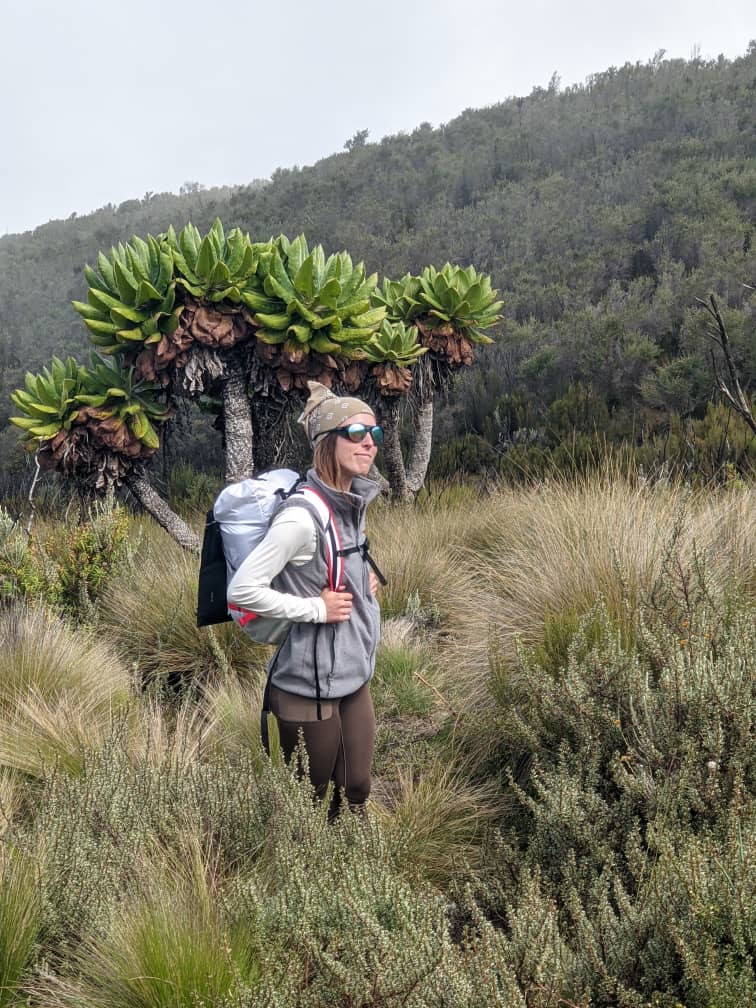
Giant groundsels
(Dendrosenecio)
Giant lobelias
Heather and everlasting flowers
These plants have adapted to extreme temperature changes warm days and freezing nights — making them a highlight for nature lovers and photographers.
Wildlife on Kilimanjaro
Although Kilimanjaro is not a traditional safari destination, wildlife exists, especially in the lower rainforest zone.
Animals that can be found include:
Blue monkeys
Colobus monkeys
Bush babies
Duikers (small antelope)
Various bird species
In the forested lower slopes, elephants and buffalo are sometimes present, though sightings are rare during climbs.
Glaciers and Ice Fields
One of the most surprising features of Kilimanjaro is its glaciers. Near the summit, you will see massive ice walls and snow fields.
These glaciers are ancient, but unfortunately they are shrinking due to climate change. Seeing ice at the equator is one of the most unique experiences in the world.
Volcanic Craters and Cones
Kilimanjaro is a dormant volcano made up of three volcanic cones:
Kibo
Mawenzi
Shira
The highest point, Uhuru Peak, is located on Kibo. You can also see volcanic features such as ash pits and craters near the summit, reminding climbers of the mountain’s powerful geological past.
Incredible Panoramic Views
From higher elevations, climbers enjoy:
Sunrise above the clouds
Endless African plains
Views stretching into Kenya
Dramatic shadows of the mountain at dawn
The summit sunrise is often described as a life-changing moment.
Cultural Experience
You will also find something truly special the people. Local guides and porters are an essential part of every Kilimanjaro climb. Their experience, encouragement, and mountain songs create an unforgettable atmosphere on the journey to the summit.