What It Really Feels Like to Climb Mount Kilimanjaro for the First Time
What It Really Feels Like to Climb Mount Kilimanjaro for the First Time
Climbing Mount Kilimanjaro for the first time is an experience that many travelers describe as life-changing. Standing at 5,895 meters (19,341 feet), Mount Kilimanjaro is the highest mountain in Africa and one of the most famous trekking destinations in the world. Every year thousands of adventurers come to Tanzania to challenge themselves and experience the journey to the “Roof of Africa.”
For first-time climbers, the idea of reaching the summit may feel both exciting and intimidating. Many people wonder what the climb will really feel like: How difficult is it? What emotions do climbers experience? What happens during the journey?
At Kilimanjaro Lifetime Adventures, we guide climbers from around the world every year, and we have seen firsthand the incredible physical and emotional journey that people experience on their first Kilimanjaro climb.
The Excitement Before the Climb Begins
For most climbers, the adventure starts long before setting foot on the mountain. After months of planning, training, and anticipation, arriving in Tanzania brings a strong sense of excitement.
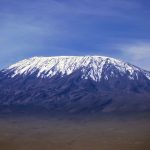
When you finally see Mount Kilimanjaro rising above the plains, the reality of the adventure begins to sink in. Many climbers feel a mix of emotions: excitement, curiosity, and sometimes a little nervousness. After all, standing at nearly six thousand meters, Kilimanjaro is a serious challenge.
However, with the support of experienced guides and a well-organized team, climbers quickly begin to feel confident and ready to start the journey.
The First Steps on the Mountain
The first day of climbing often begins in the lush rainforest zone. The air is fresh, the environment is green, and the trail passes through dense forest filled with birds, monkeys, and unique plants.
For many first-time climbers, the first day feels surprisingly comfortable. The pace is slow and steady, and the excitement of beginning the climb makes the day feel enjoyable rather than difficult.
This is also when climbers learn the famous Kilimanjaro phrase: “pole pole,” which means “slowly, slowly” in Swahili. Walking slowly is the key to conserving energy and allowing the body to adjust to the altitude.
Experiencing Kilimanjaro’s Unique Climate Zones
One of the most fascinating aspects of climbing Mount Kilimanjaro is the incredible variety of landscapes. During the climb, trekkers pass through several different ecological zones, each with its own environment and scenery.
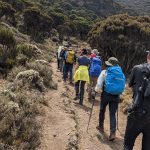
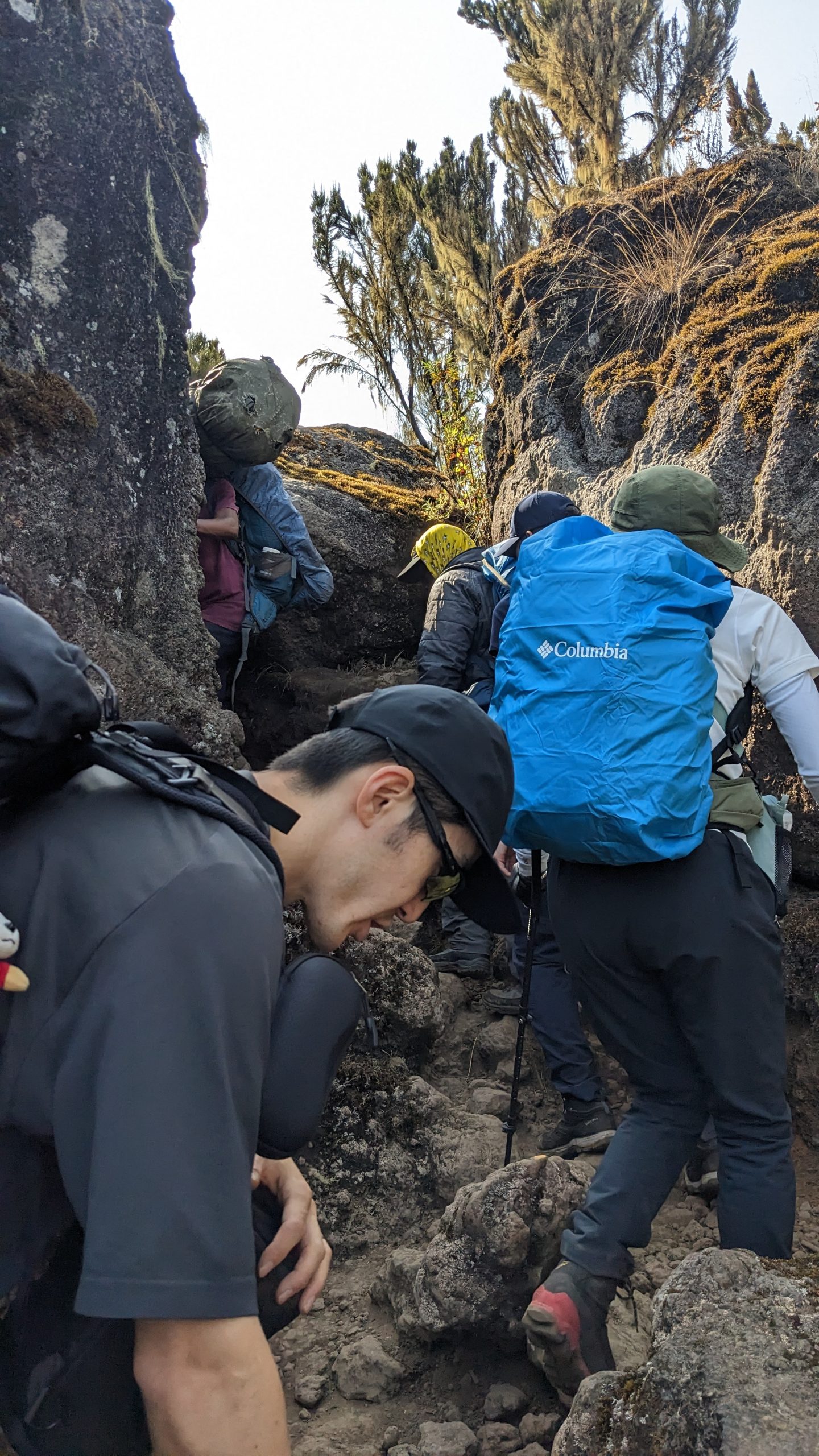
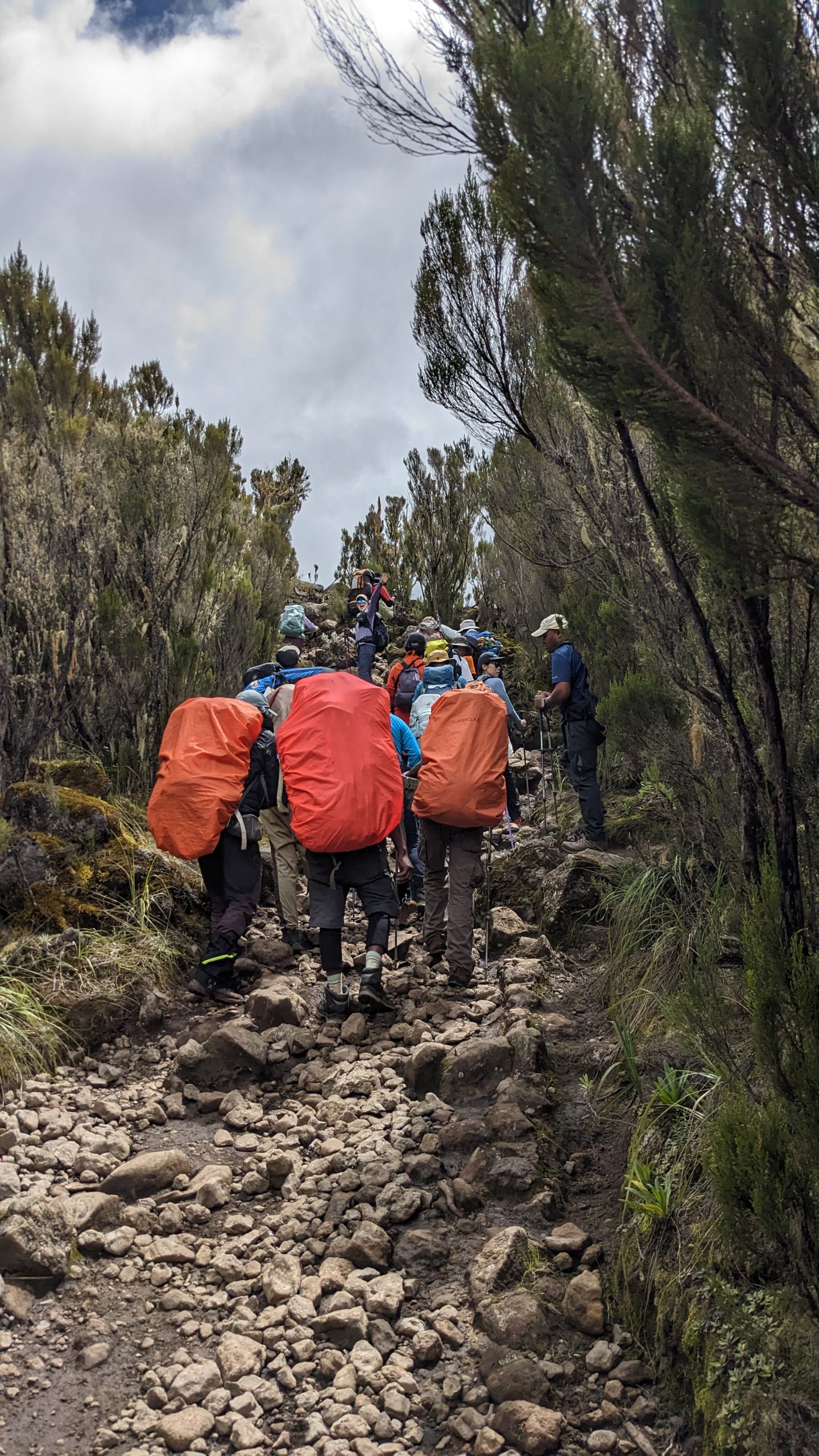
The journey begins in the rainforest, where tall trees and thick vegetation dominate the landscape. As climbers gain altitude, the forest gradually disappears and is replaced by moorland and heath, where giant groundsels and unique alpine plants can be seen.
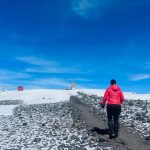
Higher up the mountain, the environment changes again into alpine desert, where the landscape becomes rocky and dry. Near the summit, climbers enter the arctic zone, where temperatures drop significantly and the terrain becomes more challenging.
Experiencing these dramatic changes in scenery is one of the most memorable parts of a Kilimanjaro climb.
The Physical Challenge
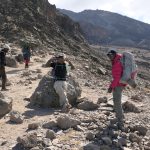
While Mount Kilimanjaro does not require technical climbing skills, it is still a demanding trek. Climbers typically walk for several hours each day, gradually gaining altitude.
As the climb continues, the air becomes thinner and the body must adjust to lower oxygen levels. Many climbers notice that walking uphill becomes slower and requires more effort.
However, with proper acclimatization, a steady pace, and guidance from experienced mountain guides, most climbers are able to manage the physical challenge successfully.
The Mental Journey
Climbing Kilimanjaro is as much a mental challenge as it is a physical one. Over several days on the mountain, climbers often experience moments of fatigue or doubt.
But these moments are often balanced by incredible feelings of motivation and determination. Encouragement from guides, fellow climbers, and the support team plays a huge role in keeping morale high.
Many climbers say that the experience teaches them patience, perseverance, and confidence in their ability to overcome challenges.
Life at Camp on the Mountain
At the end of each trekking day, climbers arrive at camp where they can rest and recover. This part of the experience often becomes one of the most enjoyable aspects of the journey.
The support team sets up comfortable tents, prepares warm meals, and ensures that climbers have everything they need to relax and prepare for the next day.
Evenings on the mountain are peaceful and unforgettable. Watching the sunset over the African landscape and seeing thousands of stars in the clear night sky creates memories that last a lifetime.
The Summit Night Experience
For most climbers, the most challenging part of the journey is summit night. This final ascent usually begins around midnight so that climbers can reach the summit at sunrise.
The climb is slow and steady, and temperatures can be very cold. Walking under a sky full of stars with only headlamps lighting the trail creates a unique and unforgettable atmosphere.
Although summit night is physically demanding, the excitement of reaching the top keeps climbers motivated to continue step by step.
The Emotional Moment at the Summit
Reaching the summit of Mount Kilimanjaro is an emotional moment that many climbers never forget.
Standing at Uhuru Peak, the highest point in Africa, brings an incredible sense of achievement. Watching the sunrise over the glaciers and the vast African plains below is a breathtaking experience.
For many climbers, this moment represents months of preparation, determination, and hard work finally coming together.
Some people celebrate with cheers and photos, while others take a quiet moment to reflect on their journey and appreciate the accomplishment.
The Journey Down the Mountain
After reaching the summit, climbers begin the descent back down the mountain. As altitude decreases, breathing becomes easier and energy levels begin to return.
Descending through the different climate zones once again gives climbers another opportunity to appreciate the beauty of Kilimanjaro.
By the time the trek ends, many climbers feel proud, inspired, and deeply connected to the mountain and the people who helped them along the way.
A Life-Changing Adventure
Climbing Mount Kilimanjaro for the first time is far more than just a trekking adventure. It is a journey that challenges the body, strengthens the mind, and creates unforgettable memories.
The experience of walking through multiple climate zones, pushing through personal limits, and standing on the highest point in Africa often leaves climbers with a deep sense of accomplishment and inspiration.
With the right preparation and the support of experienced guides, reaching the summit of Mount Kilimanjaro is an achievable goal for many adventurers.
At Kilimanjaro Lifetime Adventures, we are proud to help climbers from around the world experience this incredible journey and make their dream of standing on the Roof of Africa a reality.