8-Day Lemosho Route: 5 Reasons to Choose This Kilimanjaro Trek
Top 5 Reasons Why 8-Day Lemosho Route
If you are planning to climb Mount Kilimanjaro and want enough time to enjoy the mountain while giving your body a better opportunity to adjust to the altitude, the 8-day Lemosho Route is an excellent option.
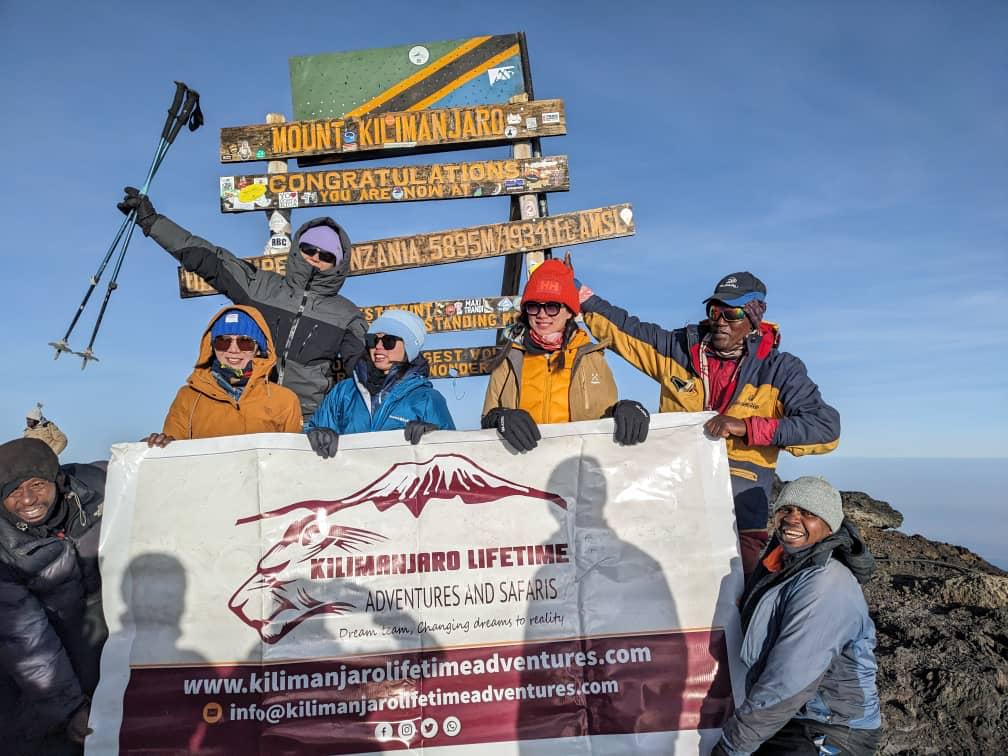
Lemosho is one of the most scenic routes on Kilimanjaro, combining beautiful landscapes, a gradual approach and a longer itinerary before reaching Uhuru Peak at 5,895 metres (19,341 feet).
But why choose the 8-day version instead of a shorter Kilimanjaro itinerary?
Here are the top five reasons why the 8-day Lemosho Route is worth considering.
1. More Time for Acclimatization
One of the biggest advantages of an 8-day Lemosho itinerary is the amount of time spent on the mountain.
Altitude is one of the main challenges when climbing Kilimanjaro. Your body needs time to adjust as you ascend, and a longer itinerary can provide a more gradual progression.
The 8-day route gives you additional time to gain elevation progressively rather than rushing toward the summit.
This is one reason many trekkers prefer longer Kilimanjaro routes when their schedule allows.
More time on the mountain can mean a more comfortable and better-paced trekking experience.
2. Stunning Scenery and Diverse Landscapes
Lemosho is famous for its scenic variety.
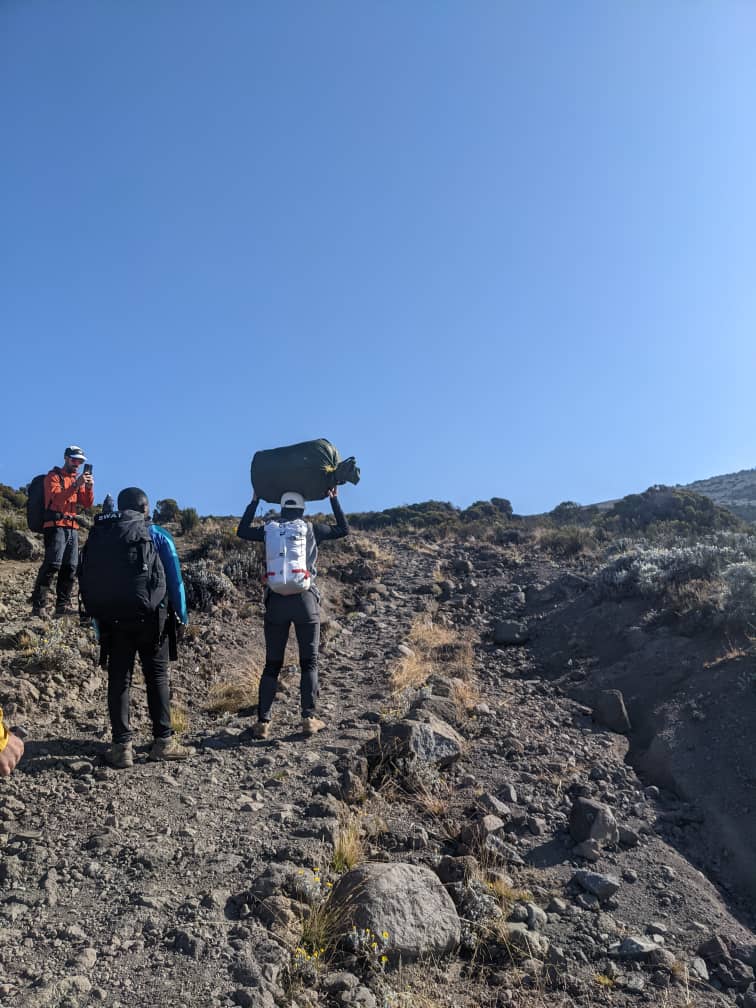
The route begins on the western side of Kilimanjaro and passes through several of the mountain’s ecological zones.
As you climb, the landscape changes from:
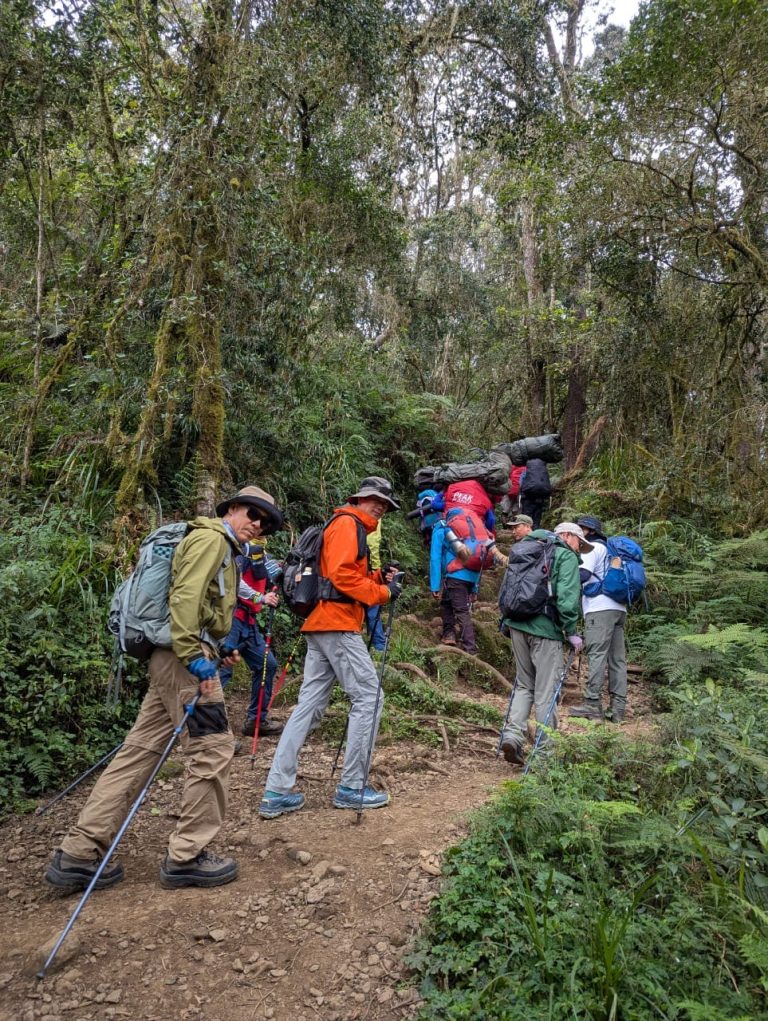
- Mountain rainforest
- Moorland
- Heath vegetation
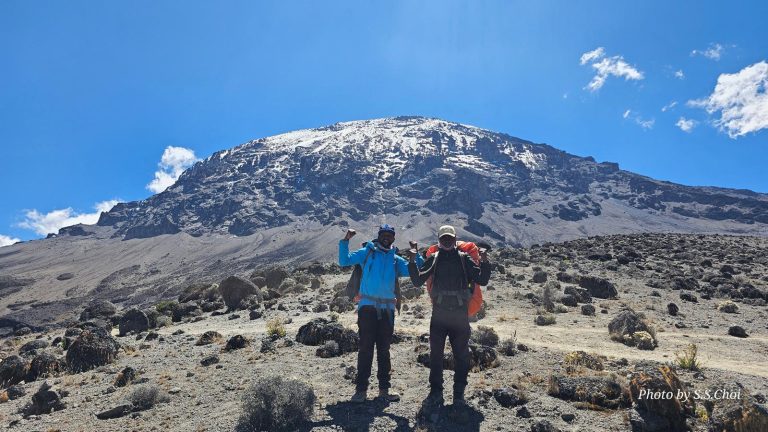
- Alpine desert
- High-altitude volcanic terrain
The scenery also changes dramatically as you approach the higher sections of the mountain.
Because the 8-day itinerary allows you to spend more time on the route, you have more opportunities to appreciate these landscapes rather than simply focusing on reaching the summit.
3. A Gradual Approach to the Summit
Another major advantage of the 8-day Lemosho Route is its gradual progression.
Instead of trying to gain altitude too quickly, the itinerary spreads the climb over more days.
This allows trekkers to settle into the rhythm of mountain life, maintain a steady pace and conserve energy for the summit attempt.
A typical day on Kilimanjaro is not a race. Slow and steady is generally the better approach.
Your guide and mountain crew can also help you maintain an appropriate pace throughout the trek.
4. A Longer Trekking Experience
For many travellers, climbing Kilimanjaro is not only about reaching Uhuru Peak.
It is also about experiencing the mountain.
An 8-day itinerary gives you more time to enjoy the changing landscapes, mountain camps, sunrise and sunset views, and the experience of trekking through different environments.
You also have more time to settle into the routine of:
Wake up → breakfast → trek → lunch → continue hiking → reach camp → dinner → rest.
This makes the journey itself an important part of the adventure.
5. Better Preparation for Summit Day
Summit day is usually the most demanding part of a Kilimanjaro climb.
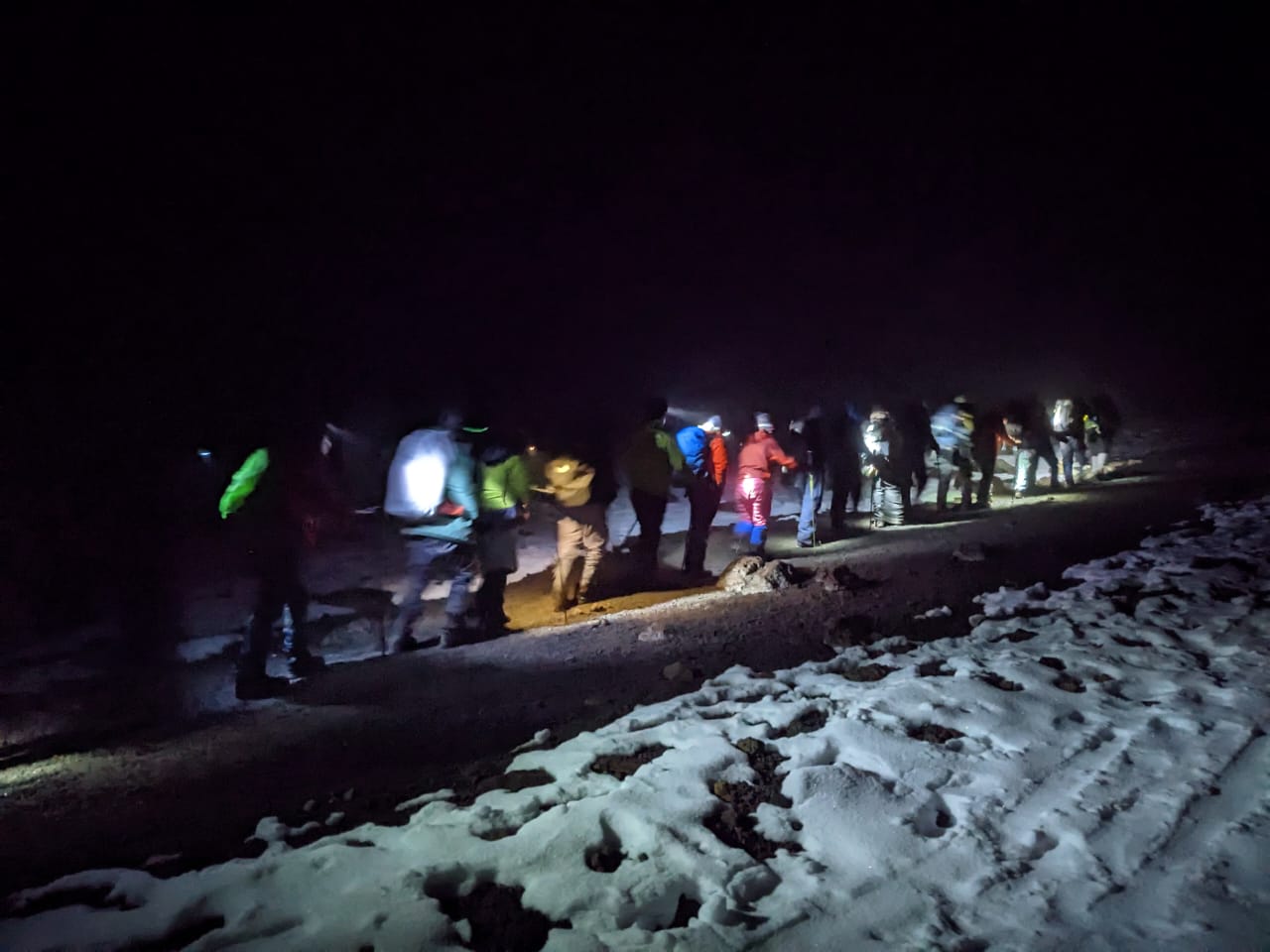
Trekkers typically start their summit attempt during the night and climb toward Uhuru Peak in cold and high-altitude conditions.
After several days on the mountain, the 8-day Lemosho itinerary gives you time to prepare physically and mentally for this final challenge.
By the time you reach the summit zone, you have already experienced progressively higher elevations and several days of trekking.
The goal is to arrive at the summit attempt with enough energy and focus to take on the final ascent.
8-Day Lemosho Route: What to Expect
A typical 8-day Lemosho itinerary may look like this:
| Day | Route | Approximate Destination |
|---|---|---|
| Day 1 | Lemosho Gate → Forest Camp | Forest Zone |
| Day 2 | Forest Camp → Shira 1 Camp | Shira Plateau |
| Day 3 | Shira 1 → Shira 2 → Moir Camp | High Moorland |
| Day 4 | Moir Camp → Lava Tower → Barranco Camp | Alpine Desert |
| Day 5 | Barranco → Karanga Camp | Karanga Valley |
| Day 6 | Karanga → Barafu Camp | Summit Zone |
| Day 7 | Barafu → Uhuru Peak → Mweka Camp | Summit & Descent |
| Day 8 | Mweka Camp → Mweka Gate | Descent |
The exact itinerary can vary depending on the operator, weather, trail conditions and operational requirements.
Is the 8-Day Lemosho Route Difficult?
Yes, the 8-day Lemosho Route is physically demanding, but it is designed as a trekking route rather than a technical climbing route.
You do not normally need rock-climbing or advanced mountaineering skills.
The main challenges include:
- High altitude
- Long trekking days
- Cold temperatures
- Uneven terrain
- The summit night
- Physical and mental endurance
The additional days can make the overall experience more manageable by allowing a more gradual ascent.
Who Should Choose the 8-Day Lemosho Route?
The 8-day Lemosho Route is particularly suitable for trekkers who:
- Want a longer Kilimanjaro itinerary
- Prefer a gradual approach
- Have enough time for an 8-day trek
- Want to experience scenic western and southern sections of Kilimanjaro
- Prefer more time for acclimatization
- Want to enjoy the journey rather than rush to the summit
It can be an excellent choice for first-time Kilimanjaro trekkers as well as experienced hikers.
8-Day Lemosho vs Shorter Kilimanjaro Routes
One of the biggest questions travellers ask is whether they should choose a shorter or longer itinerary.
In general, a longer itinerary means more time on the mountain and a more gradual ascent.
Shorter routes may appeal to travellers with limited time, but they can involve a faster ascent and less time for acclimatization.
If you have enough time available, the 8-day Lemosho Route provides a strong balance between scenery, trekking experience and altitude management.
Final Thoughts
The 8-day Lemosho Route is one of the most rewarding ways to experience Mount Kilimanjaro.
Its biggest advantages are the longer acclimatization period, spectacular scenery, gradual ascent, extended trekking experience and additional preparation before summit day.
Most importantly, climbing Kilimanjaro should not be treated as a race. Giving yourself enough time to adjust to altitude and maintaining a steady pace can make a significant difference to your overall experience.
If you are planning to climb Kilimanjaro and have eight days available on the mountain, Lemosho is a route worth considering.
Frequently Asked Questions
Is 8 days enough for the Lemosho Route?
Yes. An 8-day itinerary provides a longer trekking schedule and allows more time for gradual acclimatization compared with shorter itineraries.
Is Lemosho harder than Machame?
Both are challenging trekking routes. Lemosho is generally valued for its scenic approach and longer itinerary options, while Machame is one of the most popular routes on Kilimanjaro.
Is the Lemosho Route good for beginners?
Yes, the Lemosho Route can be suitable for first-time Kilimanjaro trekkers who are physically prepared and follow appropriate altitude and pacing guidance.
What is the success rate of the 8-day Lemosho Route?
Summit success depends on many factors, including acclimatization, weather, health, pacing and individual response to altitude. A longer itinerary can provide more time for acclimatization, but no operator should guarantee that every climber will reach the summit.
How high is Uhuru Peak?
Uhuru Peak is 5,895 metres (19,341 feet) above sea level and is the highest point of Mount Kilimanjaro.
What should I pack for the 8-day Lemosho Route?
Essential equipment generally includes suitable hiking clothing, warm layers, waterproof protection, trekking footwear, a sleeping bag, headlamp, water bottles or hydration system, personal medication and other recommended mountain gear.
Why choose Lemosho instead of Marangu?
Lemosho offers a longer and more scenic trekking experience, while Marangu is known for its mountain huts and generally shorter itinerary options. The best route depends on your preferred experience, available time and trekking goals.