Is Kilimanjaro Harder Than K2? K2 vs Mount Kilimanjaro
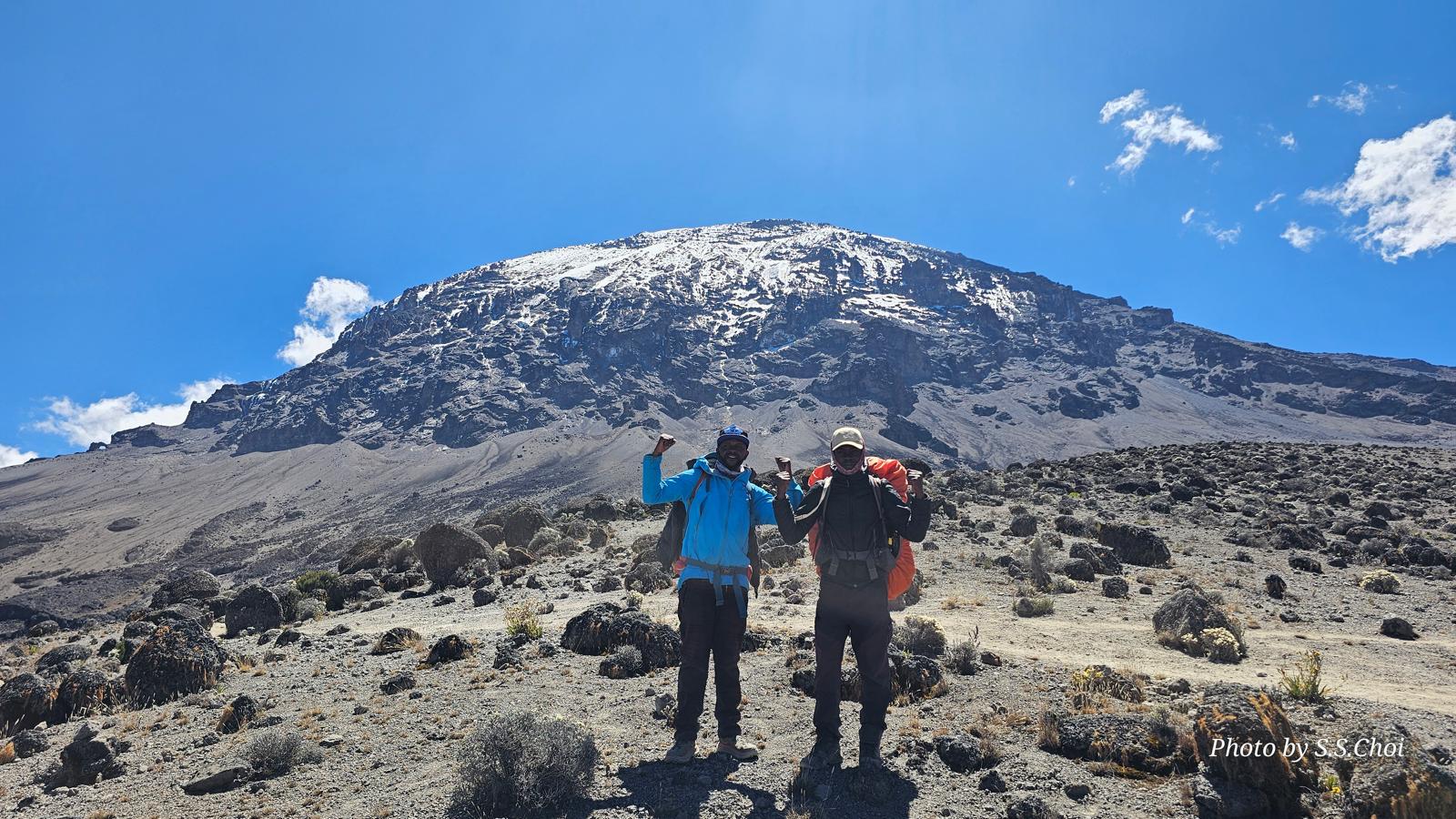
K2 vs Mount Kilimanjaro
If you are comparing K2 vs Mount Kilimanjaro, the short answer is no: Kilimanjaro is not harder than K2.
Both mountains are famous for their height and demanding environments, but they represent two very different types of climbing. Mount Kilimanjaro, at 5,895 metres (19,341 feet), is Africa’s highest mountain and is normally climbed as a multi-day high-altitude trek. K2, at 8,611 metres (28,251 feet), is the world’s second-highest mountain and one of the most technically demanding high-altitude mountaineering objectives on Earth.
The difference is therefore not only about elevation. K2 involves technical climbing, extreme altitude, complex expedition logistics, severe weather and significant objective hazards. Kilimanjaro is physically demanding mainly because of altitude, long trekking days, cold conditions and the endurance required to reach Uhuru Peak.
K2 vs Kilimanjaro: Quick Comparison
| Feature | K2 | Mount Kilimanjaro |
|---|---|---|
| Elevation | 8,611 m / 28,251 ft | 5,895 m / 19,341 ft |
| Location | Karakoram, Pakistan–China border | Tanzania, East Africa |
| Mountain distinction | Second-highest mountain in the world | Highest mountain in Africa |
| Main activity | Technical mountaineering | High-altitude trekking |
| Technical climbing | Required | Not normally required on standard routes |
| Typical experience | Advanced expedition mountaineering | Suitable for prepared trekkers |
| Duration | Multi-week expedition | Usually 5–9+ trekking days |
| Major challenges | Altitude, technical terrain, weather and objective hazards | Altitude, endurance, cold and long hiking days |
Where Are K2 and Mount Kilimanjaro?
K2 and Mount Kilimanjaro are located in completely different parts of the world.
K2 is part of the Karakoram mountain range on the Pakistan–China border. It is surrounded by some of the most dramatic and difficult high-altitude terrain in the world.
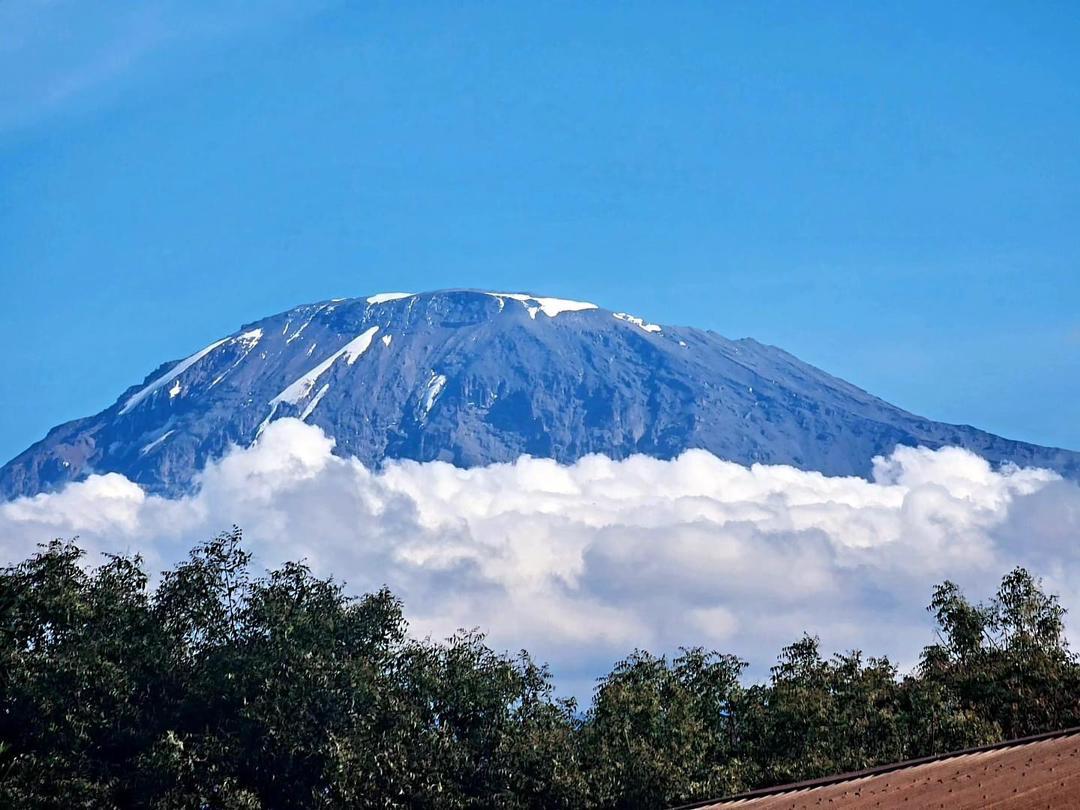
Mount Kilimanjaro is located in northern Tanzania in East Africa, near the border with Kenya. The mountain rises above the surrounding plains and is the highest free-standing mountain in the world.
Kilimanjaro is normally accessed through northern Tanzania, with Moshi serving as one of the main bases for climbing operations.
K2 Height vs Mount Kilimanjaro Height
K2 is considerably higher than Kilimanjaro.
- K2: 8,611 metres (28,251 feet)
- Kilimanjaro: 5,895 metres (19,341 feet)
That is a difference of more than 2,700 metres.
K2 reaches deep into the extreme altitude environment of the world’s 8,000-metre peaks. Kilimanjaro is also high enough for altitude to become the primary challenge for many trekkers, but it does not reach the same extreme elevation as K2.
This difference in elevation has major consequences for the human body and for the type of equipment, experience and preparation required.
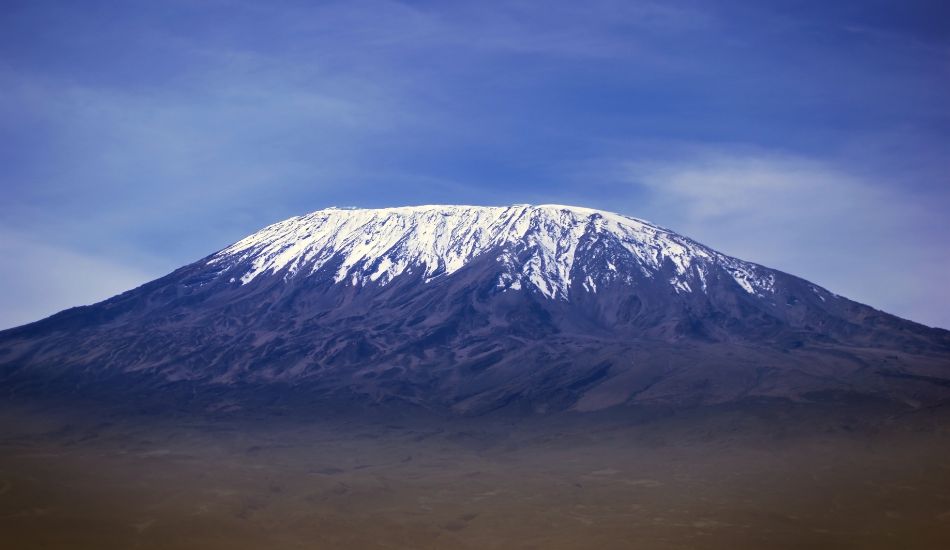
Is K2 Harder Than Kilimanjaro?
Yes, K2 is vastly harder than Kilimanjaro.
However, it is important to understand why.
K2 is not simply a longer version of a Kilimanjaro trek. It is a technical mountaineering expedition involving steep snow and ice, exposed terrain, rope systems, high camps and extremely challenging environmental conditions.
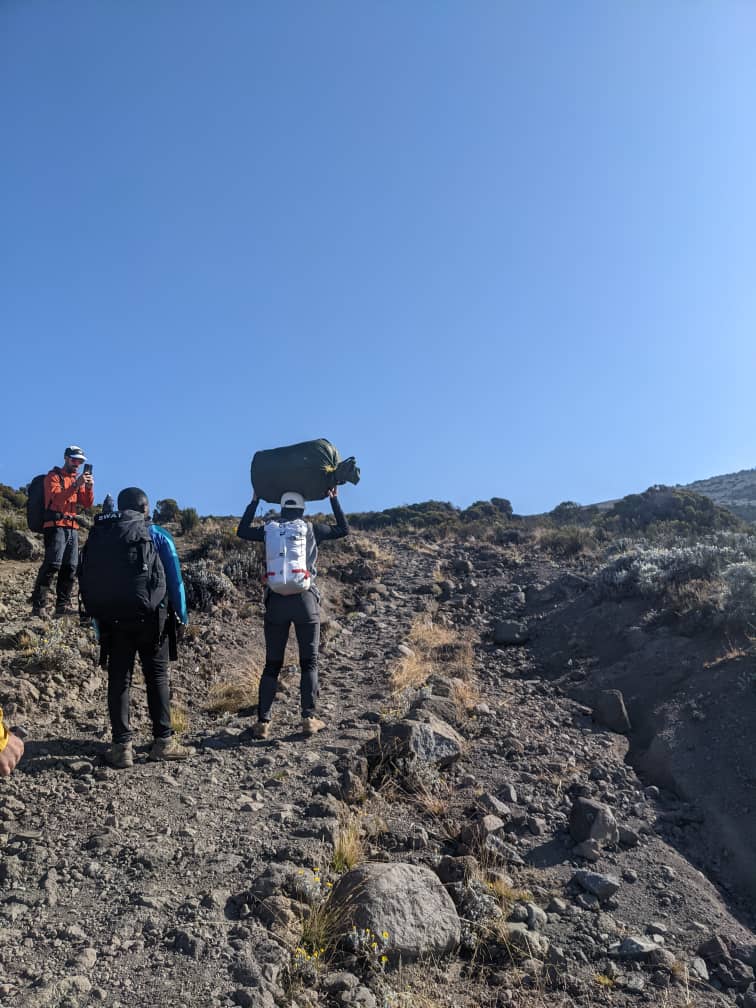
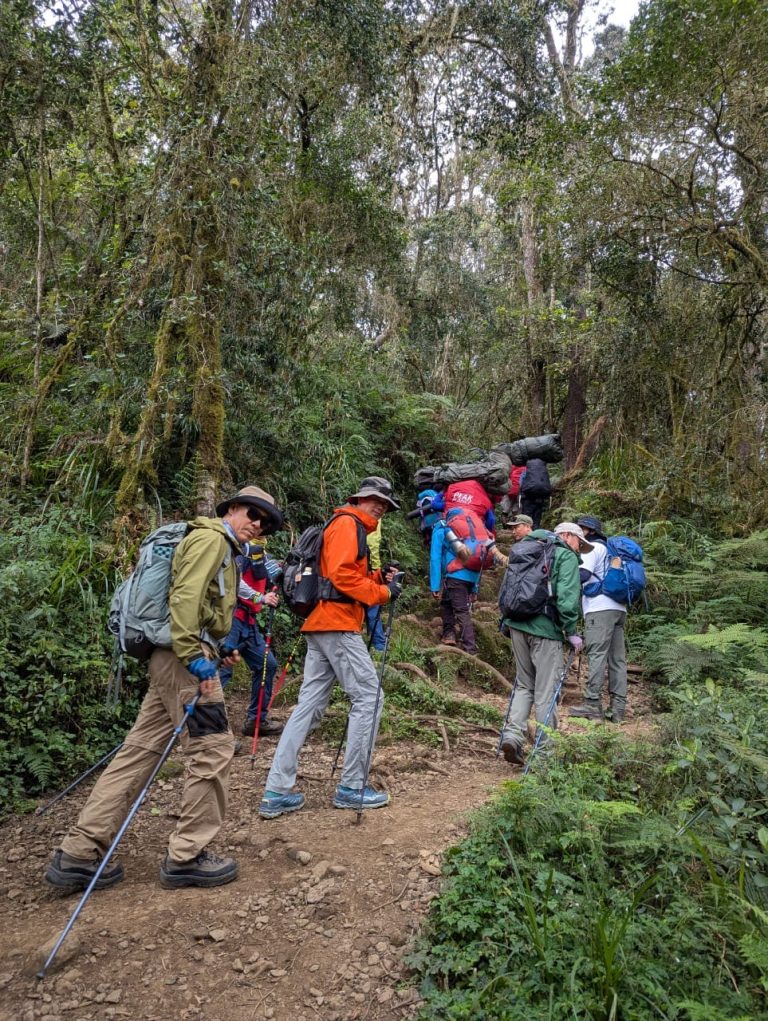
Kilimanjaro’s standard routes are primarily trekking routes. Trekkers walk established mountain paths and do not normally need advanced rock or ice climbing skills.
This makes Kilimanjaro much more accessible to people who are physically prepared but do not have years of technical mountaineering experience.
Why Is K2 So Difficult?
Several factors make K2 exceptionally challenging.
1. Extreme Altitude
At 8,611 metres, K2 is more than 2,700 metres higher than Kilimanjaro.
At these elevations, the amount of available oxygen is dramatically reduced. Climbers therefore need extensive acclimatization and experience operating at extreme altitude.
2. Technical Terrain
K2 requires advanced mountaineering skills.
Depending on the route and conditions, climbers encounter steep snow and ice, rock sections, exposed climbing and terrain where rope techniques and technical equipment are essential.
Kilimanjaro does not normally require this type of technical climbing.
3. Severe Weather
Weather is a major factor on K2. Strong winds, extreme cold, snowfall and rapidly changing conditions can make climbing dangerous.
Expedition teams may need to wait for a suitable weather window before attempting the summit.
4. Expedition Logistics
A K2 expedition requires substantially more planning and logistical support than a normal Kilimanjaro trek.
Climbers must deal with an extended approach, camps at different elevations, acclimatization rotations, technical equipment and expedition planning.
5. Objective Hazards
High-altitude mountaineering involves hazards that are not normally encountered on standard Kilimanjaro trekking routes.
This is one reason K2 is considered an advanced mountaineering objective rather than a trekking destination.
How Difficult Is Mount Kilimanjaro?
Although Kilimanjaro is much more accessible than K2, it should not be considered an easy hike.
The summit is at 5,895 metres, and altitude is one of the biggest challenges. A Kilimanjaro trek can involve several consecutive days of hiking, changing weather, cold temperatures and a demanding summit night.
The final ascent to Uhuru Peak is particularly challenging because trekkers normally begin the summit attempt during the night and spend many hours hiking at high altitude. The mountain therefore requires proper preparation, pacing and acclimatization.
Kilimanjaro Is Trekking, Not Technical Mountaineering
One of the biggest differences between K2 and Kilimanjaro is the type of activity involved.
On standard Kilimanjaro routes, trekkers do not normally need to climb vertical rock faces or use advanced technical climbing systems.
Instead, the challenge comes from:
- High altitude
- Long trekking days
- Cold temperatures
- Uneven mountain terrain
- Physical endurance
- The effects of reduced oxygen
- The demanding summit night
This is why someone without technical climbing experience can potentially climb Kilimanjaro after appropriate preparation.
K2 Mountaineering vs Kilimanjaro Trekking
The two mountains require very different preparation.
Someone preparing for Kilimanjaro should focus on hiking endurance, cardiovascular fitness, walking with a backpack, appropriate clothing and equipment, and understanding altitude.
Someone preparing for K2 needs a much deeper mountaineering background, including experience with technical climbing, snow and ice, ropes, high-altitude expeditions and difficult alpine environments.
In other words, being able to climb Kilimanjaro does not mean that someone is ready to climb K2.
Kilimanjaro can provide useful experience with altitude and multi-day mountain travel, but it is not a substitute for technical mountaineering experience.
How Long Does K2 Take Compared With Kilimanjaro?
A typical Kilimanjaro climb takes approximately 5–9 or more trekking days, depending on the route and itinerary.
Longer routes such as Lemosho and Northern Circuit allow more time on the mountain and can provide a more gradual acclimatization profile.
K2 is completely different. A K2 expedition normally takes several weeks, because climbers must account for the approach, acclimatization, establishing camps, weather conditions and the summit window.
Therefore, the time commitment is another major difference between the two mountains.
Kilimanjaro Routes
Kilimanjaro has several established routes, each offering a different experience.
Machame Route
The Machame Route is one of the most popular routes on Kilimanjaro. It offers varied scenery and a trekking profile that allows climbers to experience several of the mountain’s ecological zones.
Lemosho Route
The Lemosho Route approaches Kilimanjaro from the west and is known for its scenic landscapes and gradual approach.
It is often selected by trekkers who want a longer itinerary and more time for acclimatization.
Marangu Route
The Marangu Route is one of the classic Kilimanjaro routes and is the only standard route where trekkers normally sleep in mountain huts rather than tents.
Rongai Route
Rongai approaches Kilimanjaro from the northern side of the mountain and offers a different perspective compared with the southern and western routes.
Northern Circuit
The Northern Circuit is one of the longest routes on Kilimanjaro. It provides more time on the mountain and a longer acclimatization schedule.
Can a Beginner Climb Kilimanjaro?
A person does not need previous technical mountaineering experience to climb Kilimanjaro.
However, “beginner-friendly” does not mean “easy.” A first-time high-altitude trekker should prepare properly and choose an itinerary that provides sufficient time for acclimatization. Physical preparation, suitable equipment, sensible pacing and following the guidance of experienced mountain guides are all important.
Can Climbing Kilimanjaro Prepare You for K2?
Kilimanjaro can be a useful experience for someone interested in eventually pursuing more advanced mountaineering, but it is only one part of a much longer progression.
Kilimanjaro can help someone become familiar with:
- Multi-day mountain travel
- High-altitude environments
- Cold conditions
- Long trekking days
- Personal pacing
- Expedition-style routines
However, K2 requires technical climbing abilities that are not normally developed on Kilimanjaro. Someone considering K2 would need substantial additional experience on progressively harder alpine and high-altitude objectives.
K2 vs Kilimanjaro: Which Mountain Is More Accessible?
Kilimanjaro is much more accessible.
You do not need to be an experienced technical mountaineer to attempt a standard Kilimanjaro route. With proper preparation and appropriate guidance, fit hikers can attempt the summit.
K2, on the other hand, is an advanced expedition objective for highly experienced mountaineers.
The difference is therefore not simply:
K2 = harder
and
Kilimanjaro = easier.
The more accurate comparison is:
K2 = extreme technical mountaineering
Kilimanjaro = demanding high-altitude trekking
Which Is More Physically Demanding: K2 or Kilimanjaro?
Both require significant physical effort, but K2 involves a much greater overall physical and technical challenge.
Kilimanjaro’s difficulty is concentrated around trekking for several days and coping with high altitude, particularly during the summit attempt.
K2 combines those demands with technical climbing, extreme altitude, severe weather and a much longer expedition.
Therefore, someone should not judge the difficulty of a mountain only by how tired they might feel while hiking. Technical difficulty, altitude, environmental hazards and expedition complexity all matter.
K2 vs Kilimanjaro: Which One Should You Climb?
The right mountain depends on your experience and goals.
Choose Kilimanjaro if you want to:
- Reach the highest point in Africa
- Experience a high-altitude mountain trek
- Explore Tanzania
- Challenge yourself without advanced technical climbing
- Trek through several distinct ecological zones
- Take part in a multi-day guided mountain adventure
K2 is appropriate only for climbers who have developed extensive technical and high-altitude mountaineering experience and are prepared for a serious expedition environment.
For most travellers comparing the two, Kilimanjaro is the realistic mountain to pursue.
Final Verdict: Is Kilimanjaro Harder Than K2?
No. K2 is significantly harder than Kilimanjaro.
Kilimanjaro is a serious high-altitude trek and reaching 5,895 metres should never be underestimated. Altitude, cold, endurance and the summit night can make the climb challenging even for experienced hikers.
But K2 belongs to a completely different category.
At 8,611 metres, K2 combines extreme altitude with technical climbing, severe weather, complex logistics and significant objective hazards. It requires years of mountaineering development rather than simply good hiking fitness.
So if you are asking:
“Which is harder, K2 or Kilimanjaro?”
The answer is K2, by a very large margin.
If your goal is to experience a major mountain challenge without becoming a technical mountaineer, Mount Kilimanjaro in Tanzania offers one of the world’s most accessible high-altitude summit expe riences.
Frequently Asked Questions
Is Kilimanjaro harder than K2?
No. K2 is considerably more difficult because it combines extreme altitude with technical mountaineering, severe weather and complex expedition conditions.
Is K2 higher than Kilimanjaro?
Yes. K2 is 8,611 metres high, while Mount Kilimanjaro is 5,895 metres high.
Is Kilimanjaro a technical climb?
Standard Kilimanjaro routes are primarily trekking routes and normally do not require advanced technical rock or ice climbing.
Can someone with no climbing experience climb Kilimanjaro?
People without previous technical mountaineering experience can climb Kilimanjaro, provided they are adequately prepared for the physical demands and altitude.
Does climbing Kilimanjaro prepare you for K2?
It can provide useful high-altitude trekking experience, but it does not provide the technical mountaineering experience required for K2.
How many days does it take to climb Kilimanjaro?
Most itineraries take around 5–9 or more trekking days, depending on the route and itinerary.
What is the hardest part of climbing Kilimanjaro?
For many trekkers, altitude and the long summit night are among the biggest challenges.
Is Kilimanjaro the highest mountain in Africa?
Yes. Mount Kilimanjaro reaches 5,895 metres and is the highest mountain in Africa.
Is K2 the highest mountain in the world?
No. K2 is the second-highest mountain in the world after Mount Everest.
 How to Avoid Problems When Booking a Tanzania Safari and Kilimanjaro Climb
Previous
How to Avoid Problems When Booking a Tanzania Safari and Kilimanjaro Climb
Previous
 8-Day Lemosho Route: 5 Reasons to Choose This Kilimanjaro Trek
Next
8-Day Lemosho Route: 5 Reasons to Choose This Kilimanjaro Trek
Next