How Hard Is It to Climb Kilimanjaro?
How Hard Is It to Climb Kilimanjaro?
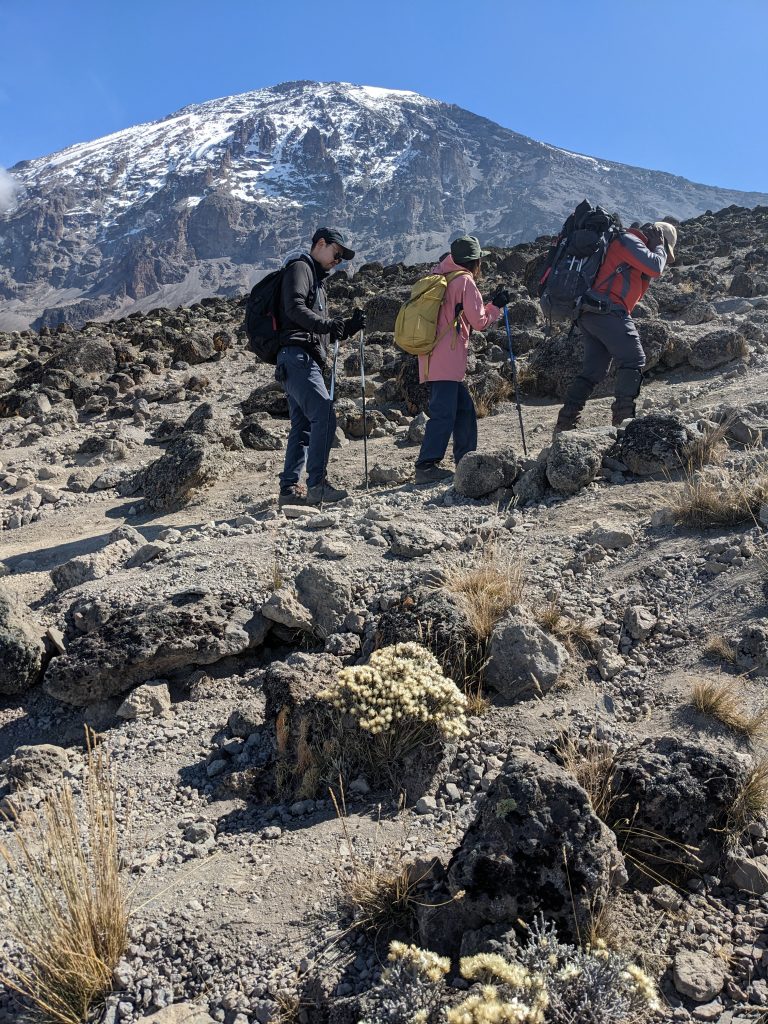
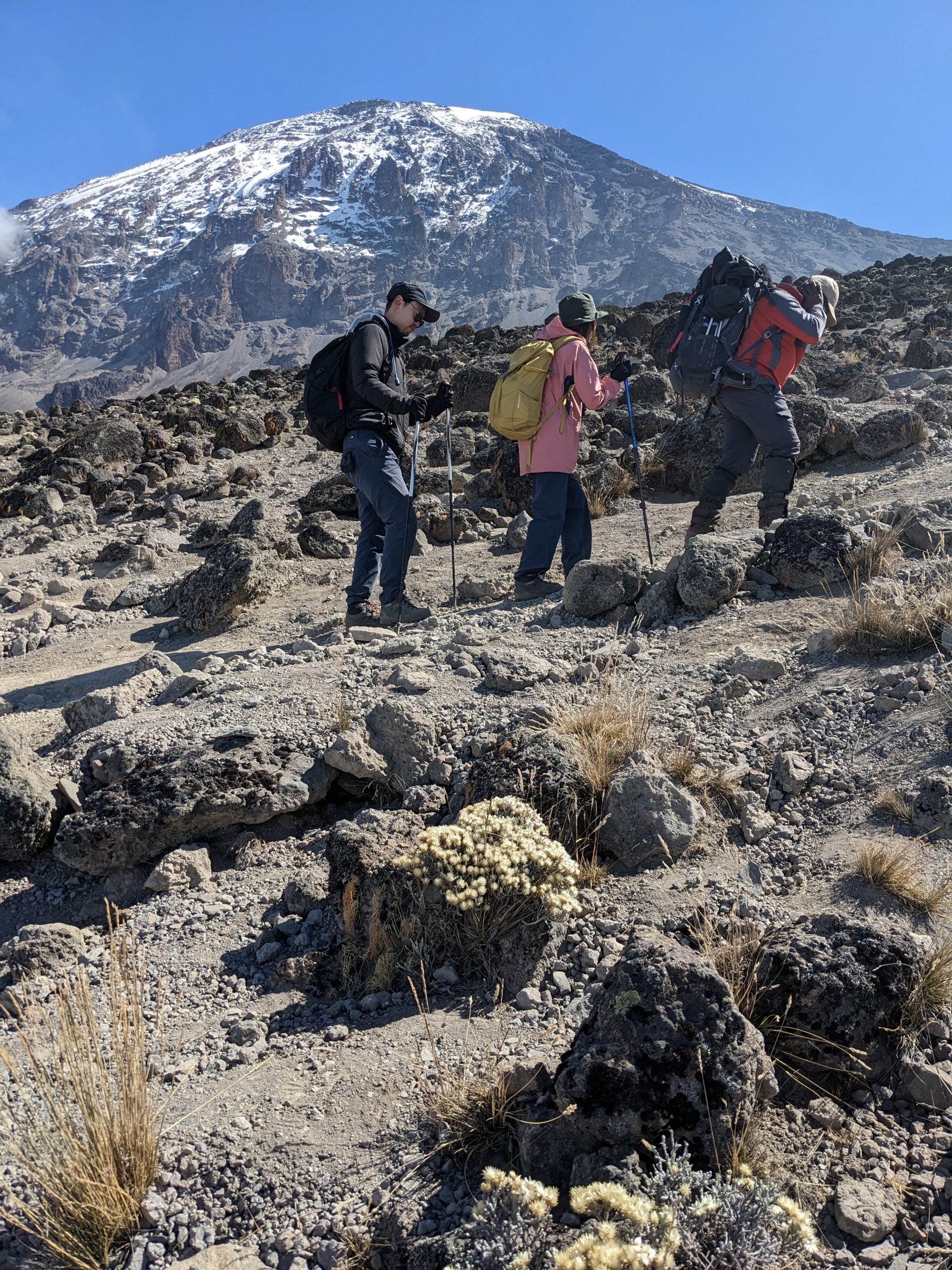
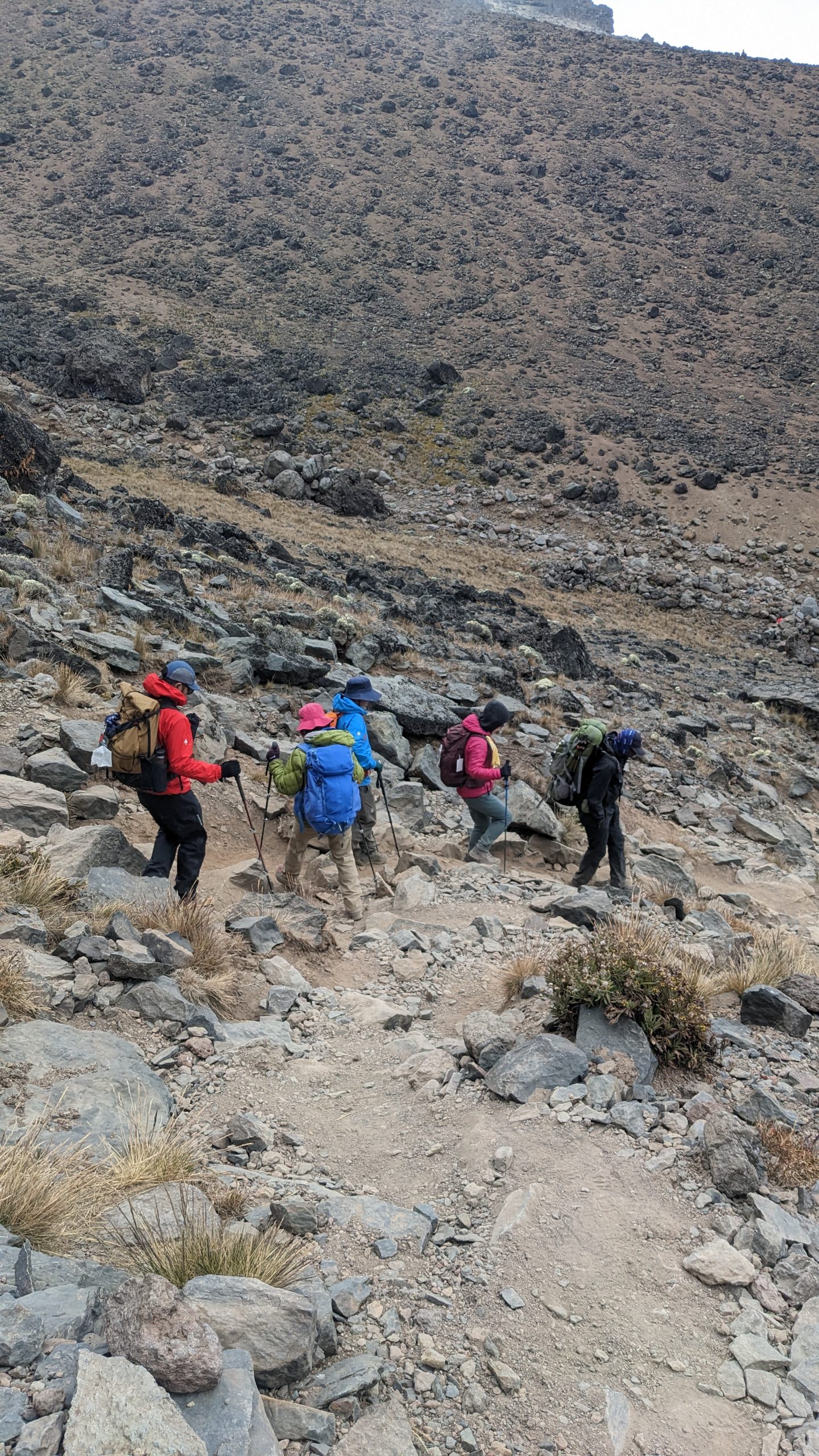
Climbing Mount Kilimanjaro is challenging, but it is not as difficult as many people imagine. Unlike mountains that require technical climbing skills, ropes, or ice axes, Kilimanjaro is primarily a high-altitude trek. Most people who reach the summit do so by walking, not climbing.
The biggest challenge is not steep terrain it’s the altitude.
Is Kilimanjaro Difficult for Beginners?
Yes, Kilimanjaro can be climbed by beginners, provided they prepare properly and choose a suitable route. Every year, thousands of people with little or no mountain climbing experience successfully reach Uhuru Peak.
You don’t need technical mountaineering skills, but you should be prepared for:
- Several days of hiking
- Long walking hours
- Cold temperatures
- High altitude conditions
- Physical and mental endurance
Many first-time trekkers successfully summit Kilimanjaro with the support of experienced guides.
Altitude Is the Biggest Challenge
The main reason people fail to reach the summit is altitude sickness. As you climb higher, oxygen levels decrease significantly.
Common altitude-related symptoms include:
- Headaches
- Fatigue
- Nausea
- Dizziness
- Shortness of breath
Even very fit athletes can experience altitude sickness because fitness does not guarantee altitude adaptation.
This is why acclimatization is critical on Kilimanjaro.
How Fit Do You Need to Be?
You don’t need to be an elite athlete, but you should have a reasonable level of fitness.
Good preparation includes:
- Regular walking or hiking
- Running or cycling
- Stair climbing
- Cardio workouts
If you can comfortably hike for several hours and maintain a steady pace, you are already building a strong foundation for Kilimanjaro.
What Is the Hardest Part of the Climb?
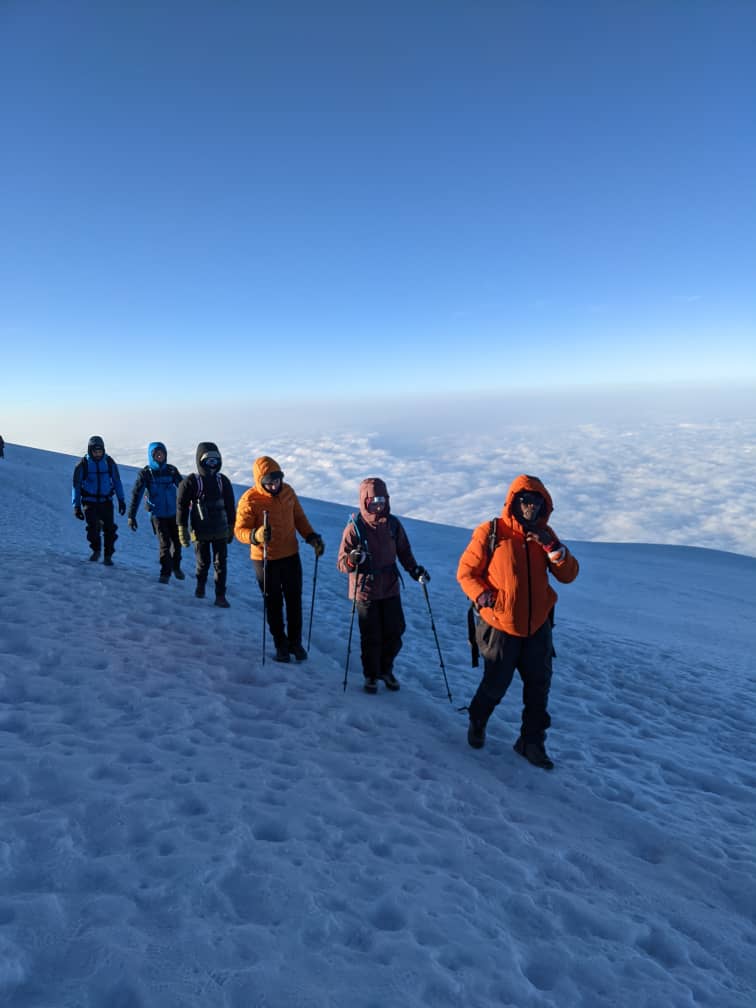
For most climbers, the hardest section is the summit night.
The final ascent usually begins around midnight from base camp and can take 6–8 hours to reach Uhuru Peak. Climbers face:
- Very cold temperatures
- Darkness
- Thin air
- Fatigue from previous trekking days
The slow climb to the summit requires determination, patience, and mental strength.
Which Kilimanjaro Route Is Easiest?
Some routes are easier because they provide better acclimatization.
Lemosho Route
The Lemosho Route is often recommended for beginners because it offers a gradual ascent and excellent acclimatization opportunities.
Northern Circuit Route
The Northern Circuit Route is the longest route and generally has the highest summit success rates.
Machame Route
The Machame Route is slightly more challenging but provides beautiful scenery and good acclimatization when completed over 7 days.
How Can You Make the Climb Easier?
Several factors can improve your experience:
Take More Days
Longer itineraries allow your body to acclimatize properly.
Walk Slowly
Guides often repeat the phrase “pole pole” (slowly slowly). A slower pace increases your chances of success.
Stay Hydrated
Drinking plenty of water helps your body adjust to altitude.
Listen to Your Guides
Experienced guides know how to recognize altitude-related issues and will help you manage the climb safely.
Is Kilimanjaro Worth the Effort?
For many people, absolutely.
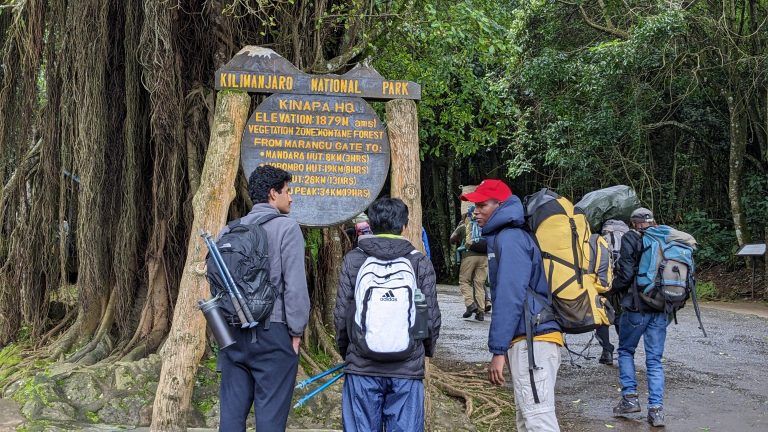
The journey takes you through rainforests, moorlands, alpine deserts, and glaciers before reaching the highest point in Africa. The sense of achievement when standing on Uhuru Peak is difficult to match.
While Kilimanjaro is challenging, it is also one of the most accessible high mountains in the world. With proper preparation, a good route, and experienced guides, most healthy and determined hikers can successfully reach the summit.
Final Thoughts
So, how hard is it to climb Kilimanjaro?
Moderately difficult physically, but challenging because of the altitude. You do not need climbing experience, but you do need preparation, patience, and determination.
For most people, the greatest obstacle is not the mountain itself—it’s adapting to the altitude. Choose a longer route, climb slowly, and trust your guides, and you’ll give yourself the best possible chance of standing on the Roof of Africa.
 Do You Need Acclimatization for Mount Kilimanjaro?
Previous
Do You Need Acclimatization for Mount Kilimanjaro?
Previous
 How to Decide the Best Mount Kilimanjaro Route for Your First Climb
Next
How to Decide the Best Mount Kilimanjaro Route for Your First Climb
Next