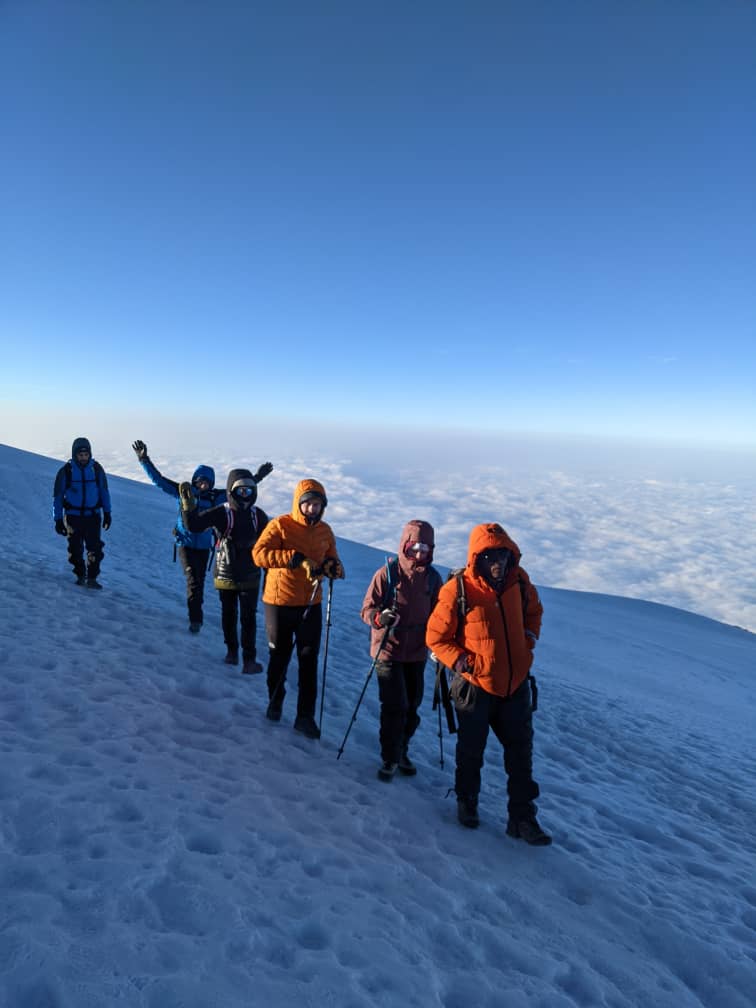
Why People Fail When Climbing Kilimanjaro
Why People Fail When Climbing Kilimanjaro
Climbing Mount Kilimanjaro is an incredible adventure and one of the most popular trekking experiences in the world. Although it is considered a non-technical climb, not everyone who attempts the mountain successfully reaches the summit at Uhuru Peak.
Many climbers fail due to several common mistakes or challenges during the trek. Understanding these factors can help future climbers prepare better and improve their chances of success.
1. Poor Acclimatization to High Altitude
The most common reason people fail on Mount Kilimanjaro is altitude sickness. As climbers go higher, the oxygen level decreases, making it harder for the body to function normally.
Symptoms may include:
- Headaches
- Nausea
- Dizziness
- Fatigue
Climbers who choose short routes or ascend too quickly often struggle with acclimatization.
2. Choosing the Wrong Route
Some routes are shorter and more challenging for altitude adjustment. For example, the Marangu Route is popular but has a lower success rate because it is usually completed in fewer days.
Longer routes such as the Lemosho Route or Machame Route allow better acclimatization and improve summit success.
3. Lack of Physical Preparation
Even though Mount Kilimanjaro does not require technical climbing skills, it still demands good physical fitness.
Climbers may struggle if they:
- Do not train before the trip
- Are not used to long hiking days
- Have poor stamina
Preparing with regular hiking, cardio workouts, and endurance training can make a big difference.
4. Climbing Too Fast
On Kilimanjaro, guides often say “pole pole”, which means slowly, slowly in Swahili. Walking too fast can increase the risk of altitude sickness and exhaustion.
Maintaining a slow and steady pace helps the body adjust to the altitude.
5. Poor Hydration and Nutrition
Some climbers underestimate how important food and water are during the climb.
Common mistakes include:
- Not drinking enough water
- Skipping meals due to loss of appetite
- Poor energy management
Staying hydrated and eating regularly helps maintain strength during the trek.
6. Mental Challenges
Climbing Kilimanjaro is as much a mental challenge as a physical one. The cold temperatures, long summit night, and high altitude can test a climber’s determination.
Some climbers turn back simply because they feel discouraged or mentally exhausted.
7. Inadequate Gear
Weather on Mount Kilimanjaro can change quickly. Temperatures at the summit can drop below -10°C (14°F).
Without proper gear such as:
- Warm clothing
- Good hiking boots
- Quality sleeping bags
Climbers may struggle with the harsh conditions.
Conclusion
Failing to reach the summit of Mount Kilimanjaro is usually not due to one single reason but a combination of factors like poor acclimatization, lack of preparation, and rushing the climb.
With the right route, good preparation, experienced guides, and a slow pace, many climbers successfully reach Uhuru Peak and achieve one of the most rewarding accomplishments in adventure travel.