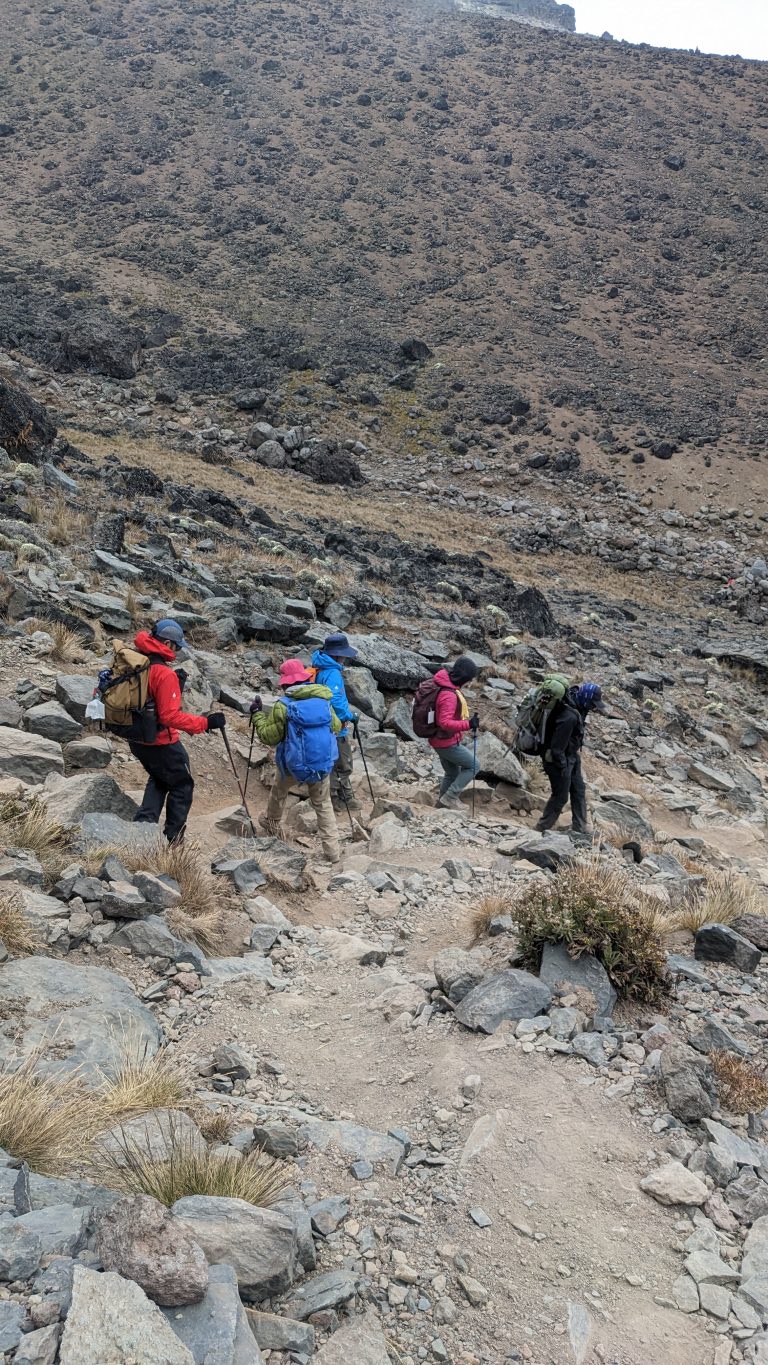
Machame vs Lemosho vs Marangu Route
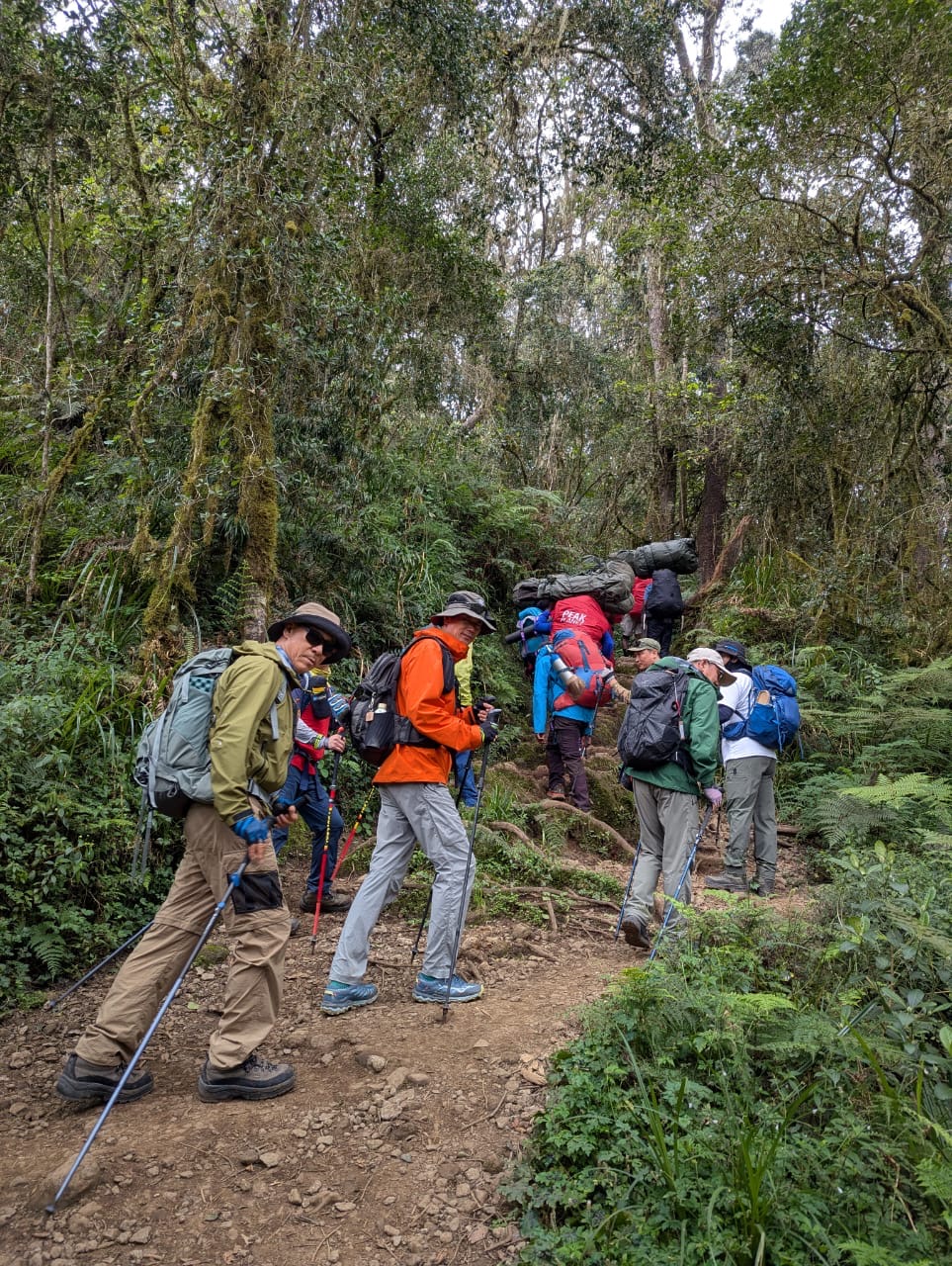
Machame vs Lemosho vs Marangu Route – Which Kilimanjaro Route Is Best?
Mount Kilimanjaro offers several routes to Uhuru Peak, but Machame, Lemosho, and Marangu are among the most commonly considered options for trekkers planning their climb. Choosing between them depends on what matters most to you: scenery, acclimatization, accommodation, number of trekking days, trail experience, and budget.
There is no single route that is best for everyone. Instead, each route offers a different way to experience Mount Kilimanjaro. In this guide, we compare the Machame vs Lemosho vs Marangu Route to help you understand the differences and choose an itinerary that matches your preferences.
Quick Comparison: Machame vs Lemosho vs Marangu
| Feature | Machame Route | Lemosho Route | Marangu Route |
|---|---|---|---|
| Typical duration | 6–7 days | 7–8 days | 5–6 days |
| Starting side | South | West | Southeast |
| Accommodation | Camping | Camping | Mountain huts |
| Scenery | Excellent | Excellent and varied | Good |
| Acclimatization | Good on longer itineraries | Very good on longer itineraries | More limited on shorter itineraries |
| Trail style | Scenic and varied | Scenic, gradual and quieter at first | More established and straightforward |
| Barranco Wall | Yes | Yes | No |
| Sleeping in huts | No | No | Yes |
| Suitable for | Trekkers wanting a scenic route | Trekkers wanting more time and varied scenery | Trekkers who prefer hut accommodation |
Route characteristics and accommodation arrangements are documented by Tanzania National Parks and current Kilimanjaro route information.
1. Machame Route
The Machame Route approaches Mount Kilimanjaro from the southern side and is known for its varied scenery and camping experience. The route was officially opened in 1977 as a scenic route, and it has since become one of the established approaches to the mountain. A typical Machame climb takes 6 or 7 days, although longer itineraries can provide more time for acclimatization.
What makes Machame special?
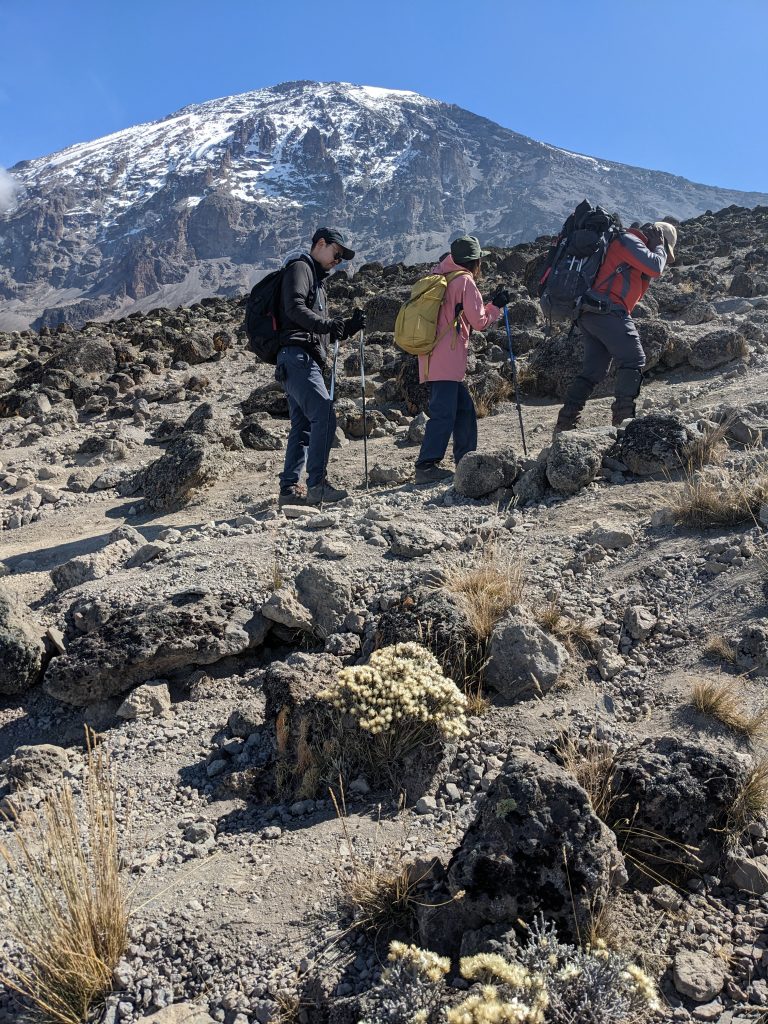
One of the major attractions of Machame is the changing landscape. Trekkers pass through rainforest, moorland, high-altitude terrain and the dramatic southern slopes of Kilimanjaro.
The route also includes the famous Barranco Wall, which is a challenging-looking but non-technical section of the trek.
Machame eventually connects with the southern circuit before the summit attempt from the Barafu area.
Machame Route advantages
- Beautiful and varied scenery
- Several different landscapes during the climb
- Camping experience
- Good acclimatization profile on longer itineraries
- Popular route with established trekking infrastructure
- Suitable for trekkers looking for an active mountain experience
Things to consider
Machame involves camping rather than mountain huts. Some days can also involve significant elevation changes, so trekkers should be prepared for a physically demanding mountain trek.
A longer itinerary generally provides more time for acclimatization than the shortest version.
2. Lemosho Route
The Lemosho Route begins on the western side of Mount Kilimanjaro near Londorossi Gate. It is particularly known for its scenery and the relatively quiet beginning of the route before it joins the southern circuit. Lemosho usually takes 7 or 8 days, although shorter versions are also offered.
What makes Lemosho special?
The route begins in the rainforest before climbing toward the Shira Plateau. Trekkers then continue across high-altitude landscapes before joining the trail used by Machame. One of the major advantages of a longer Lemosho itinerary is the amount of time available for gradual acclimatization. The route eventually passes through areas including Lava Tower and Barranco before continuing toward Karanga and Barafu for the summit attempt.
Lemosho Route advantages
- Excellent variety of scenery
- Longer itineraries allow more acclimatization time
- Quieter beginning compared with some busier approaches
- Beautiful views across the Shira Plateau
- Camping experience
- Good option for trekkers who have enough time for a longer climb
Things to consider
Lemosho normally requires more days than the shortest Marangu itinerary. That can mean a higher overall trip cost, but the additional time can make the trekking schedule less compressed. For first-time high-altitude trekkers, an itinerary with sufficient acclimatization time is an important consideration.
3. Marangu Route
The Marangu Route approaches Kilimanjaro from the southeastern side and starts at Marangu Gate. Unlike Machame and Lemosho, Marangu is famous for using mountain huts rather than tents. The main huts include Mandara, Horombo and Kibo. TANAPA’s visitor information confirms that Marangu uses alpine huts, while other routes use designated tented camps operated by licensed operators.
What makes Marangu special?
Marangu follows a more established trail and offers a different accommodation experience from the camping routes. For trekkers who prefer sleeping in huts rather than tents, this can be an important factor. The route also passes through different vegetation zones, including rainforest and moorland, before reaching the high-altitude area around Kibo.
Marangu Route advantages
- Mountain hut accommodation
- Well-established trekking route
- Straightforward trail structure
- Usually available as a shorter itinerary
- Good option for people who prefer huts over camping
Things to consider
Marangu’s shorter itineraries provide less time for acclimatization. The 6-day Marangu itinerary includes an additional acclimatization day compared with the 5-day version, making the longer itinerary worth considering for trekkers who want more time on the mountain. Another difference is that Marangu uses the same general trail for the ascent and descent, whereas Machame and Lemosho typically descend via Mweka after the summit.
Machame vs Lemosho vs Marangu: Which Has the Best Scenery?
Scenery is subjective, but the three routes provide noticeably different experiences.
Machame
Machame offers a highly varied landscape, from rainforest to moorland and the high mountain environment.
Lemosho
Lemosho is particularly attractive to trekkers who want a scenic western approach and the opportunity to cross the Shira Plateau before joining the southern circuit.
Marangu
Marangu also passes through several vegetation zones, but the overall experience is different because the route follows a more established corridor and uses huts. If scenery and a longer mountain experience are your main priorities, compare the 7-day Machame and 7- or 8-day Lemosho itineraries rather than comparing only the number of days.
Machame vs Lemosho vs Marangu: Which Is Better for Acclimatization?
Acclimatization is one of the most important considerations when selecting a Kilimanjaro route.
The body needs time to adjust to decreasing oxygen availability as altitude increases. TANAPA advises climbers to allow adequate time for acclimatization, and its visitor guidance recommends choosing itineraries with acclimatization days and ascending slowly.
Machame
A 6- or 7-day itinerary provides a reasonable amount of time for acclimatization, with the longer version allowing more time on the mountain.
Lemosho
The 7- and 8-day itineraries allow a more gradual schedule and more time for the body to adjust to altitude.
Marangu
The 5-day version is more compressed. The 6-day itinerary adds an acclimatization day at Horombo, making it a less rushed option. Rather than choosing a route based only on the lowest number of days, consider how the itinerary distributes altitude gain and rest or acclimatization time.
Machame vs Lemosho vs Marangu: Which Route Should Beginners Choose?
First-time Kilimanjaro trekkers should look beyond the idea of finding the “easiest” route.
A better approach is to consider:
- How many days can you spend on the mountain?
- Do you prefer camping or huts?
- How important is scenery to you?
- How much time do you want for acclimatization?
- Are you comfortable with longer trekking days?
- What is your overall budget?
- Do you prefer a busier established route or a quieter beginning?
For someone with enough time, a 7-day Machame or 7- to 8-day Lemosho itinerary provides a longer mountain experience than the shortest Marangu itinerary. For someone who strongly prefers hut accommodation, Marangu provides something the other two routes do not.
Machame vs Lemosho vs Marangu: Cost Considerations
The final price of a Kilimanjaro climb depends on several factors, including:
- Number of trekking days
- Group size
- Accommodation before and after the climb
- Park and camping or hut fees
- Guide and porter services
- Meals
- Transfers
- Equipment
- Operator services
Generally, adding more days increases the total cost because you spend more time on the mountain and require additional meals, crew support and accommodation. However, comparing routes only by price can be misleading. The itinerary, inclusions and level of support should also be considered.
What About the Summit?
Regardless of whether you choose Machame, Lemosho or Marangu, the goal is the same: Uhuru Peak, at 5,895 metres. The final summit attempt is normally one of the most demanding parts of the climb. Climbers begin the summit ascent during the night and continue toward the crater rim before reaching Uhuru Peak.
There is no technical rock climbing required on the standard routes to Uhuru Peak, but the altitude makes the summit a serious physical challenge. Following your guide’s instructions, walking at a controlled pace and reporting symptoms of altitude illness are important parts of a responsible Kilimanjaro climb.
Machame vs Lemosho vs Marangu: At a Glance
Choose Machame if:
- You want varied scenery
- You enjoy camping
- You want a 6- or 7-day itinerary
- You want a popular established route
- You are comfortable with a physically demanding trek
Choose Lemosho if:
- You want a longer itinerary
- Scenery is a major priority
- You prefer a quieter western approach at the beginning
- You want more time for acclimatization
- You enjoy camping
Choose Marangu if:
- You prefer sleeping in huts
- You want a more established trail
- You prefer not to camp
- You are considering a 5- or 6-day itinerary
- Hut accommodation is important to you